Bella Vista Living: Italian Market, Dining, And Daily Life
July 16, 2026
July 16, 2026
Want a Philadelphia neighborhood where you can pick up produce from an open-air market, grab dinner a few blocks later, and still feel like you’re living in a real residential community? Bella Vista offers exactly that. If you are considering a move here, it helps to understand not just the restaurants and market buzz, but also the everyday rhythm, housing stock, parking realities, and what daily life actually feels like. Let’s dive in.
Bella Vista sits between South Street, Washington Avenue, 6th Street, and 11th Street. It is a compact South Philadelphia neighborhood with a walkable layout and a strong residential core.
What makes Bella Vista stand out is its mix of uses and identities. You are not looking at a single-purpose entertainment district. Instead, you get a neighborhood where homes, local businesses, arts institutions, and long-established commercial corridors all exist side by side.
That layered identity is part of the appeal. Bella Vista has roots tied to Italian immigrants, Jewish merchants, and free African Americans, and today it also reflects Southeast Asian and Latino communities. The result is a neighborhood that feels lived-in, active, and shaped by many histories rather than one single story.
The South 9th Street Italian Market is Bella Vista’s best-known anchor. According to the market association, it began in the mid-to-late 1880s and grew into the country’s largest continuous outdoor market.
That history still matters, but the market is not frozen in time. Today, it works as both a practical shopping corridor and a major part of the neighborhood’s identity. For many residents, it is part of normal weekly life, not just a place to visit once in a while.
The market includes merchants across categories like produce, groceries, meats, seafood, cheese, coffee, sweets, housewares, and gifts. That mix gives you a true everyday-shopping function in addition to the dining scene.
The food culture also goes well beyond one tradition. Alongside classic Italian Market institutions, the area includes Mexican, Cambodian, Filipino, and Vietnamese dining, which reflects Bella Vista’s broader cultural mix. If you enjoy neighborhoods where old favorites and newer businesses coexist, this is a big part of Bella Vista’s draw.
The Italian Market also acts as an event space and neighborhood gathering point. The annual Italian Market Festival is one of the best-known examples, and it reinforces how this corridor serves both residents and visitors.
That said, the daily value is often in the smaller routines. You can build regular habits here around coffee stops, food shopping, casual takeout, and walking errands, which is a meaningful lifestyle advantage if you want less dependence on a car.
Bella Vista offers a compact city lifestyle built around walking, local streets, and small businesses. It is the kind of place where your routines are shaped by a neighborhood scale rather than big-box convenience.
That can be a great fit if you value street life and proximity. You may be able to run errands on foot, meet friends nearby, and move through the neighborhood without needing to drive for every task.
Bella Vista is not just about food. Neighborhood anchors include Fleisher Art Memorial, Da Vinci Art Alliance, Philadelphia’s Magic Gardens, and a bocce court at 10th and Carpenter.
These places add to the area’s day-to-day character. They also help explain why Bella Vista feels personal and community-oriented rather than purely commercial.
Daily life here comes with a few practical quirks. Some street vendors are cash-only, and many businesses are closed on Sundays and Mondays.
For some buyers, that is part of the charm. For others, it is an adjustment worth knowing in advance. Bella Vista tends to reward people who enjoy neighborhood routines and independent businesses rather than expecting every convenience to operate on a suburban schedule.
Transit access is strong for a neighborhood of this size. Bella Vista is easy to reach on foot, by bike, and through SEPTA service nearby.
The Broad Street Line is accessible from Lombard-South and Ellsworth-Federal. SEPTA Route 47 also connects South Philadelphia and Center City, with weekday service running every 15 minutes or less through much of the day.
For buyers who prioritize walkability and city access, this is an important part of the neighborhood’s value. You are buying into a location where daily movement can be more flexible than car-dependent areas.
Parking is one of the biggest day-to-day considerations in Bella Vista. Like many established Philadelphia neighborhoods, the tradeoff for walkability and density is that street parking can be tight.
You may find some two-hour residential parking on neighborhood streets, and there are paid lots on Washington Avenue or on Carpenter Street between 9th and 10th Streets. The Philadelphia Parking Authority also operates community lots in Bella Vista at 7th and Christian and on South 7th Street.
Residential parking permits are available only in eligible districts and apply only to posted permit blocks. The Philadelphia Parking Authority also notes that permits are now virtual.
If off-street parking is a priority for you, it is smart to evaluate that early in your home search. In Philadelphia, new off-street parking on private property requires a zoning permit, so it is not something to assume you can add later without review.
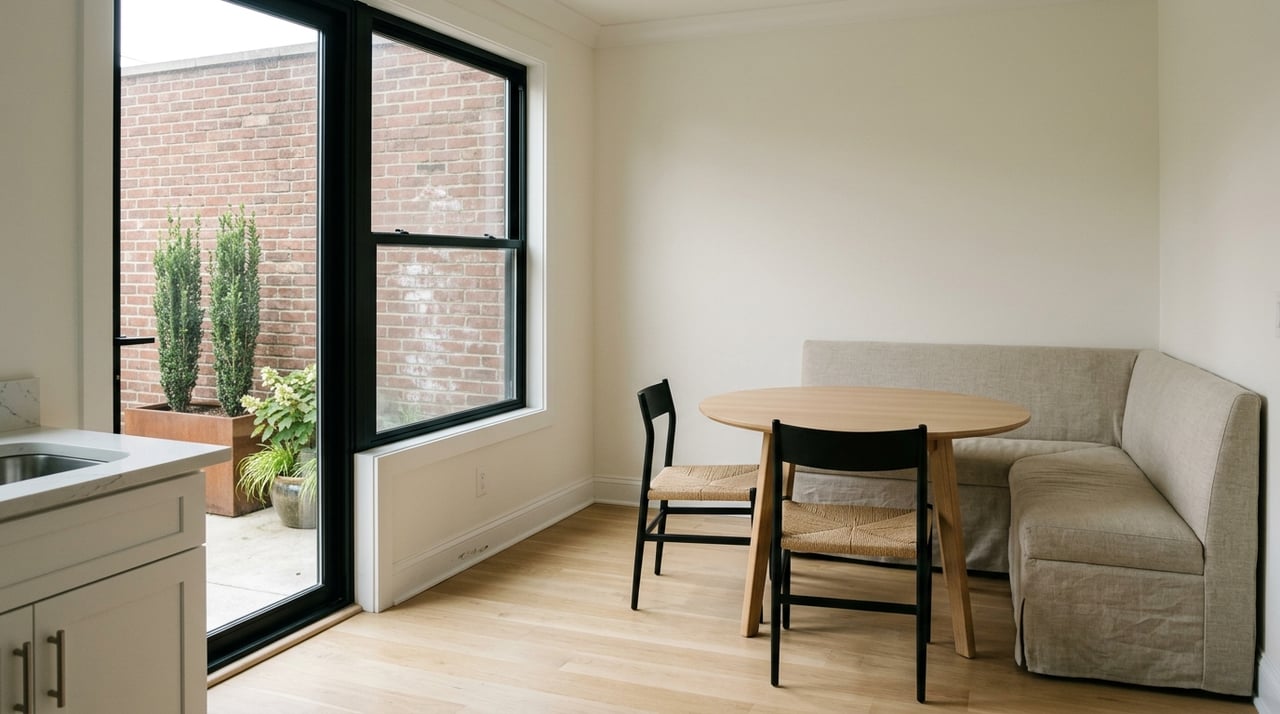
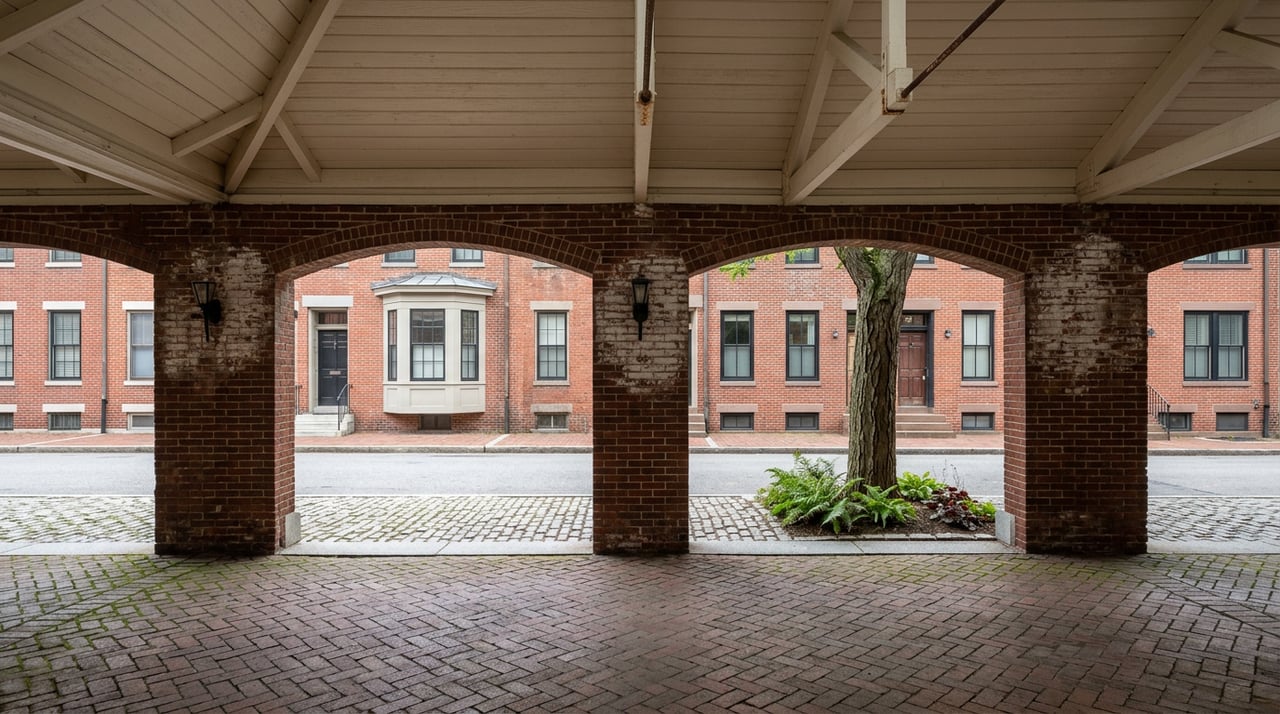
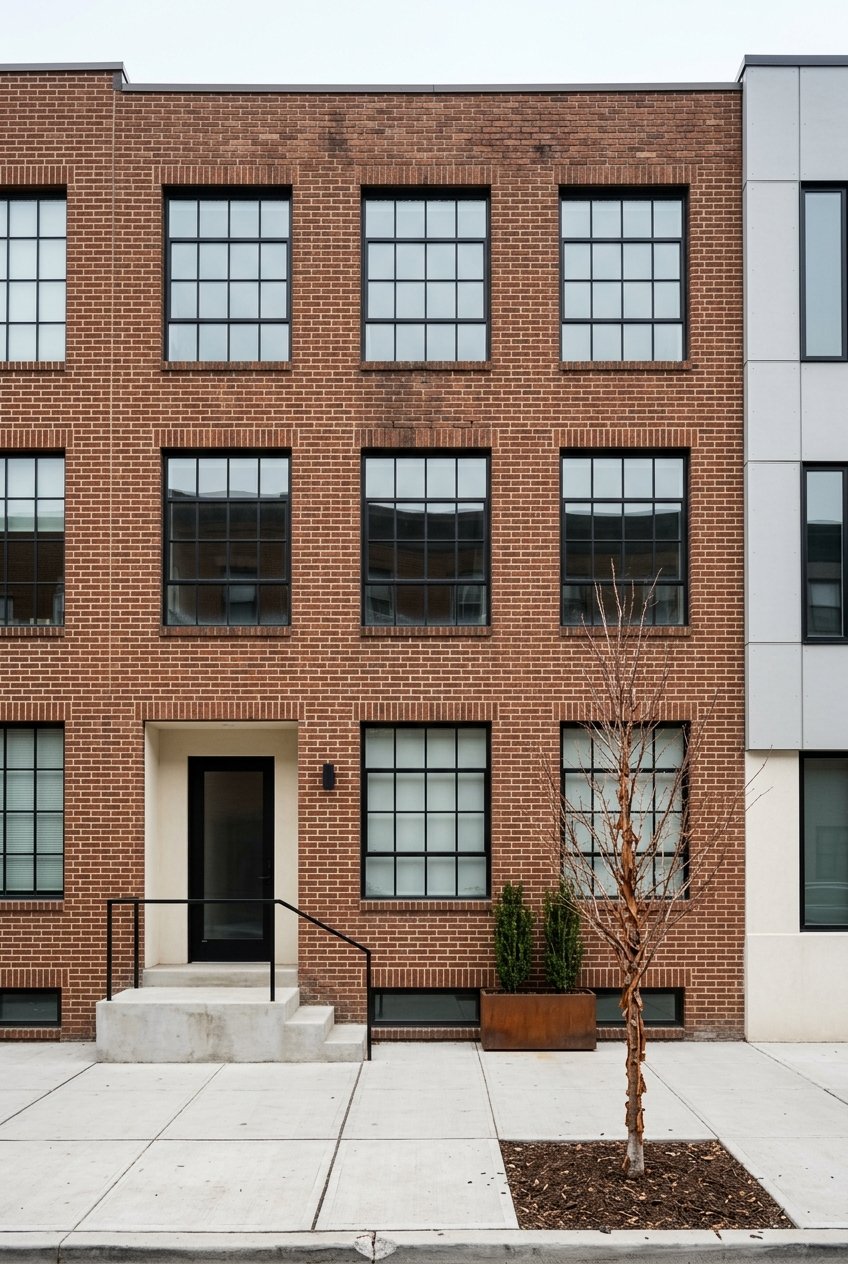
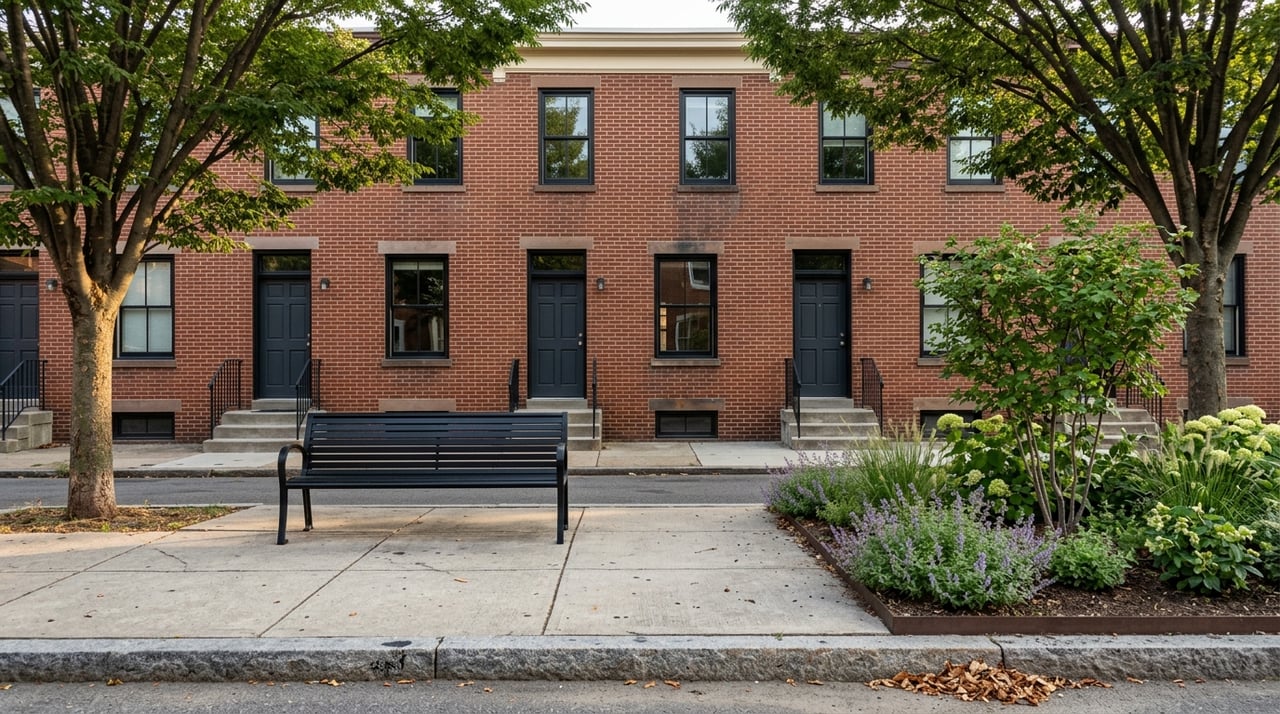
Bella Vista remains a rowhouse-first neighborhood. The housing fabric is largely made up of dense red-brick rowhomes dating to the mid-to-late 19th century, which gives many blocks a classic Philadelphia look and feel.
For buyers, this means the neighborhood often appeals to people who appreciate historic urban housing stock. You are more likely to encounter traditional rowhome living here than large-scale new subdivisions or broad condo towers.
Change in Bella Vista has generally come through reinvestment in existing properties rather than large vacant-lot development. City planning materials point to substantial investment in additions, roof decks, and conversions to multifamily use, in part because there is relatively little vacant land.
That pattern matters because it shapes what inventory looks like. Rather than an entirely new-built landscape, Bella Vista tends to offer a mix of older homes, updated rowhouses, infill construction, and some conversion-driven condo opportunities.
If you are comparing property types, rowhomes are usually the deeper inventory category here. Condo options exist, but available supply tends to be thinner and more tied to conversions than what you might find in neighborhoods with larger condo development pipelines.
That distinction can affect both your search strategy and your expectations. If you want a condo in Bella Vista, it may take more patience. If you are open to a townhouse or rowhome, you will usually be looking at the neighborhood’s more common housing type.
Recent market data points to a competitive environment in Bella Vista. In the three months ending May 2026, the reported median sale price was about $605,000, with homes selling in about 32 days.
Numbers never tell the full story on their own, but they do suggest that buyers should be prepared and focused. In a neighborhood with limited land, established demand, and a distinctive lifestyle offering, desirable listings can draw strong attention.
For sellers, that same context can support thoughtful pricing and preparation. In a market where buyers are often comparing block-by-block feel, updates, and practical details like outdoor space or parking access, positioning matters.
Bella Vista often resonates with buyers who want an urban, walkable lifestyle and who value character over uniformity. If you enjoy older housing stock, neighborhood businesses, and being close to food and arts destinations, the area may feel like a natural fit.
It can also work well for buyers who understand the tradeoffs that come with classic city living. Tighter parking, older homes, and a street-by-street experience are all part of the package.
The key is not whether Bella Vista is universally right or wrong. It is whether its rhythm matches the way you want to live.
If you are serious about buying in Bella Vista, focus on both lifestyle and logistics. A beautiful rowhome on paper may feel very different once you factor in parking patterns, transit access, commercial activity, and your daily routine.
A few useful questions to ask include:
That kind of block-level analysis is often what makes the difference in Bella Vista. Two homes may be close together on a map but offer very different day-to-day experiences.
If you want help evaluating Bella Vista with a clear, data-informed approach, Evangeline Gambardella can help you compare housing options, understand market positioning, and find the right fit for how you actually want to live.
Stay up to date on the latest real estate trends.
Every client deserves to feel valued, heard, and supported. From our first conversation to the final handshake, my goal is to ensure your experience is as smooth and special as the moment. Your happiness isn’t just a priority—it’s the standard.

EVANGELINE GAMBARDELLA
728 S Broad St 3rd Fl Philadelphia PA 19146