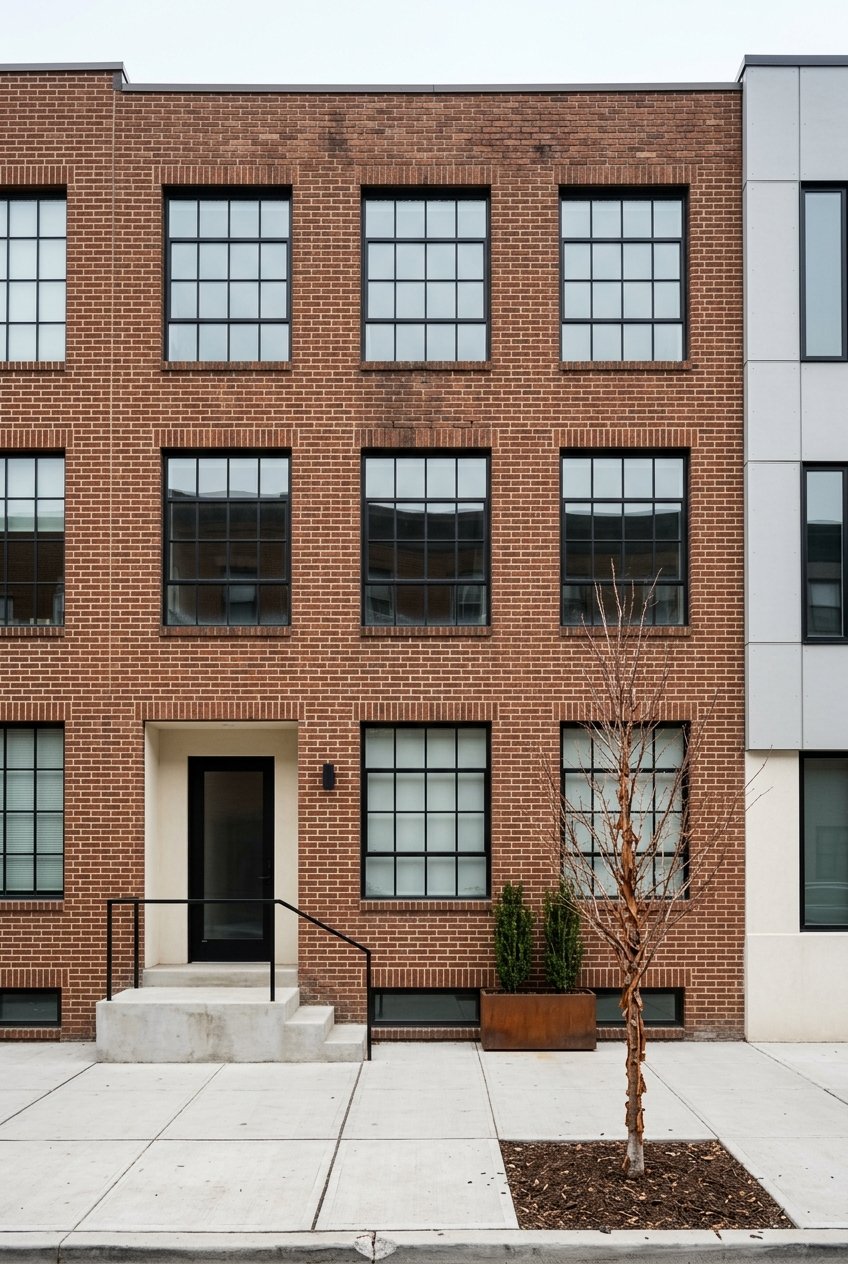
Olde Kensington New Construction Homes and Lofts
July 23, 2026
July 23, 2026
Are you drawn to exposed brick, tall windows, and industrial character, but still want the ease of modern finishes and low-maintenance living? If you are searching in Olde Kensington, you are looking in one of Philadelphia’s most interesting design-driven pockets, where loft conversions and newer townhomes sit side by side. This guide will help you understand what makes the neighborhood unique, how to compare product types, and what to verify before you buy. Let’s dive in.
Olde Kensington sits west of Fishtown and north of Northern Liberties, though local usage and neighborhood boundaries can vary. Some guides also use South Kensington interchangeably, which is worth keeping in mind when you search listings or tour homes. For buyers, that means you may see similar properties marketed under slightly different neighborhood labels.
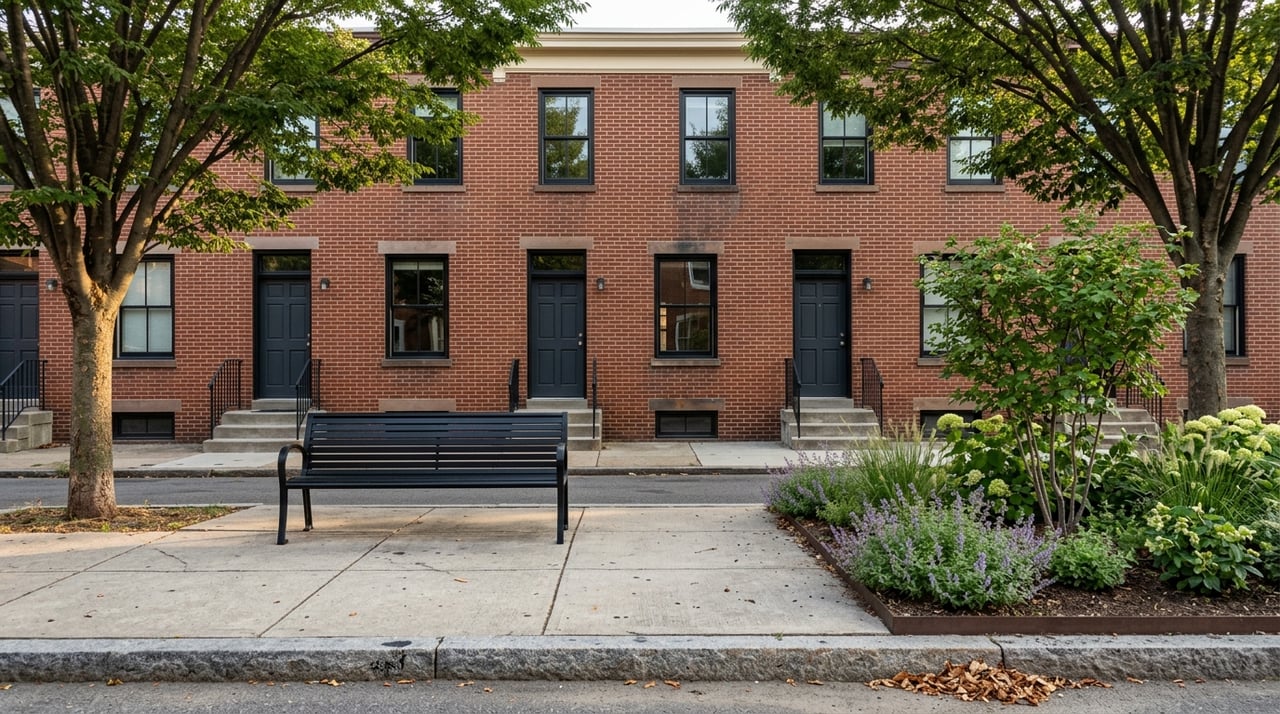
What gives Olde Kensington its distinct look is its industrial history. Preservation materials describe Kensington as one of Philadelphia’s primary industrial neighborhoods, with nineteenth-century textile and factory development along North Front Street and nearby mill corridors. That history still shows up today in the form of older buildings that can be reused as lofts, studios, and mixed-use residences.
For a design-conscious buyer, that creates real variety. In one neighborhood, you can find adaptive-reuse spaces with original architectural texture and newer construction with cleaner lines and more standardized layouts. If you care about how a home feels as much as how it functions, Olde Kensington gives you more than one path.
Olde Kensington has new construction, but it is not an overwhelming pipeline. Realtor.com shows 5 new-construction homes for sale in the neighborhood, with a median listing price of $450,000 and an average of 74 days on market. That smaller supply can make each project feel more distinct than in areas with a heavier volume of similar product.
One example is Millennial Village at 150-180 W Berks Street, which advertises 23 townhomes, 6 condos, and 2 commercial spaces starting in the $700Ks with garage parking. Current neighborhood listings also show features many buyers now expect in modern city homes. These include open-concept main levels, private outdoor space or roof decks, finished basements, quartz counters, European cabinetry, green roofs in some projects, and 10-year tax abatements.
Recent examples help illustrate the range. A home at 1620 N Randolph Street was listed at $550,000 with 3 bedrooms, 2 baths, a finished basement, private outdoor space, a roof deck, and a 10-year abatement. Another home at 1726R Mascher Street was listed at $799,000 with 3 bedrooms, 2.5 baths, garage parking, a private roof deck, quartz, and European cabinetry.
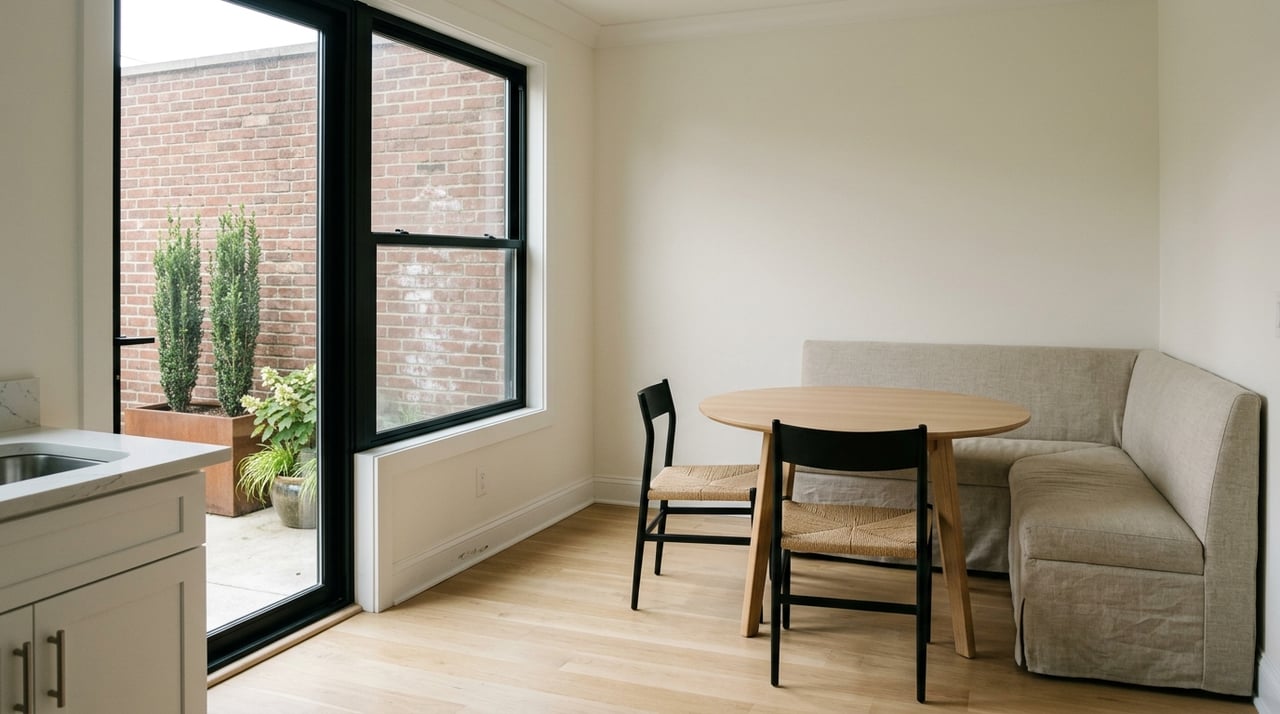
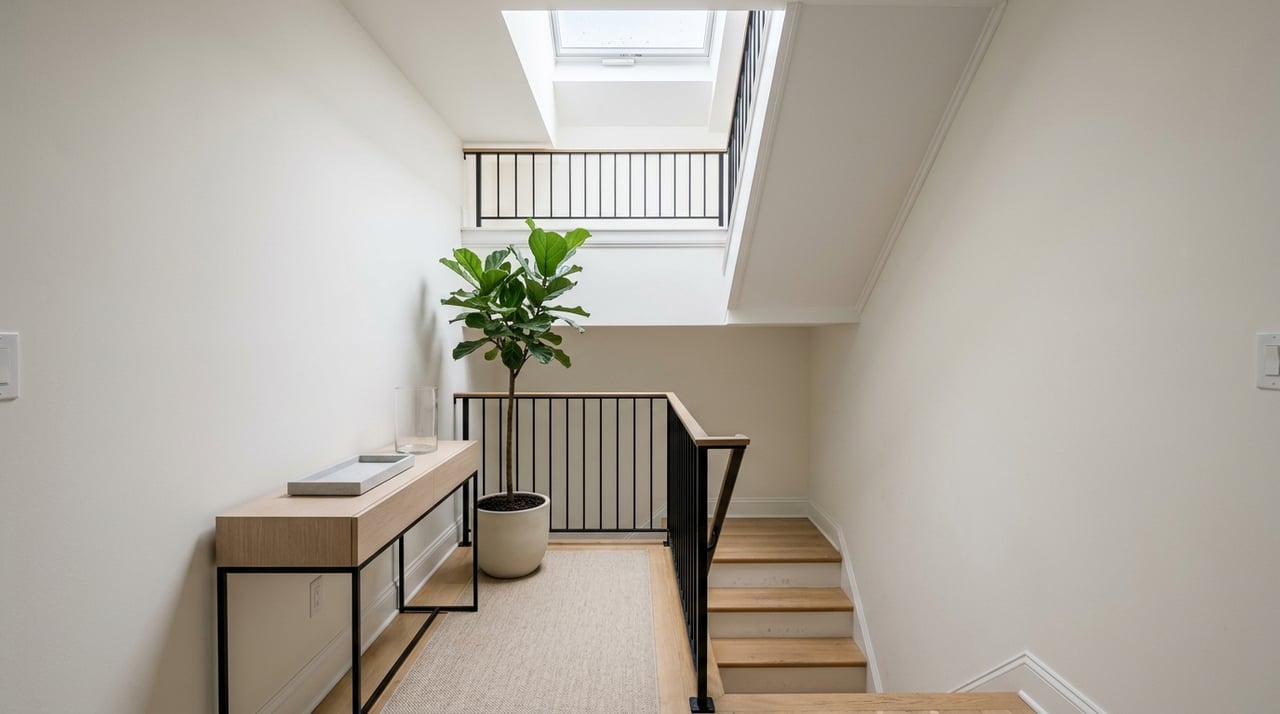
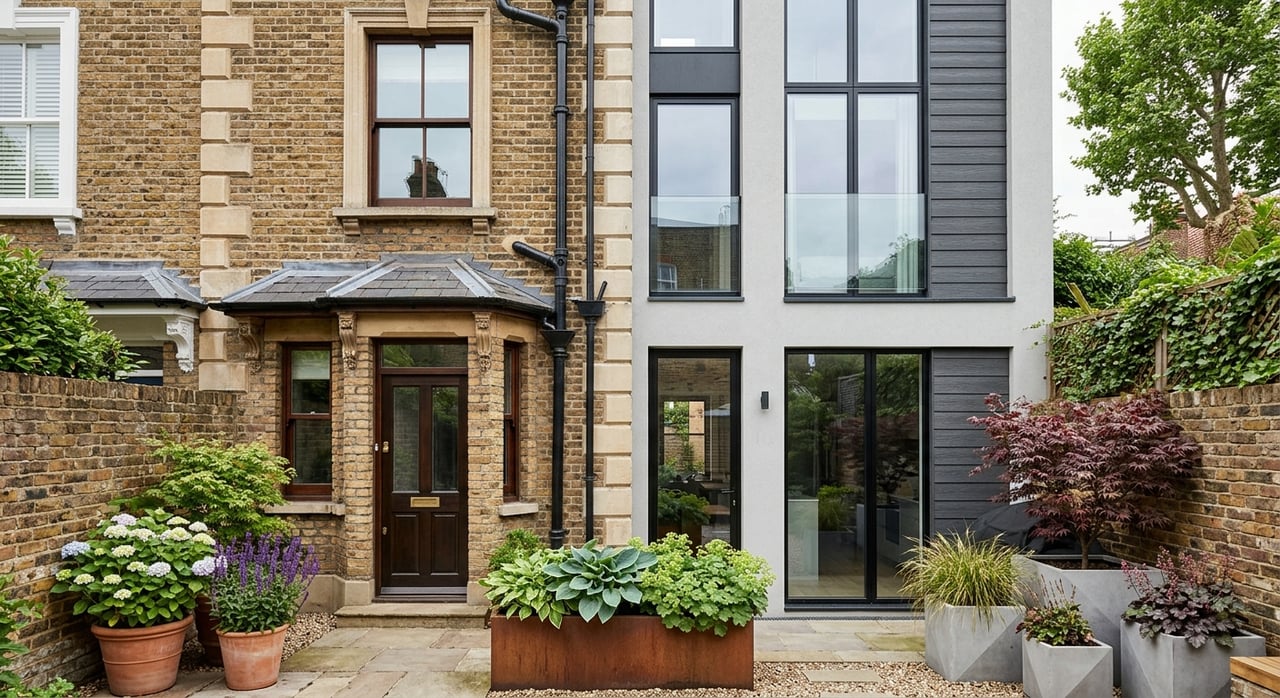
For many buyers, new construction is about predictability and ease. You are more likely to find straight-line floor plans, bright finishes, newer systems, and design choices aimed at low-maintenance city living. Features like roof decks, finished lower levels, and integrated parking often play a big role in the value equation.
That can be especially appealing if you want a polished home that feels ready from day one. Instead of taking on quirks that come with older buildings, you may get a more streamlined layout and a simpler upkeep experience. If your priority is function paired with current design, new builds often check that box.
Lofts are the other defining product type in Olde Kensington. This is where the neighborhood’s industrial past becomes part of the living experience. Rather than replacing old structures entirely, some projects keep and reinterpret them.
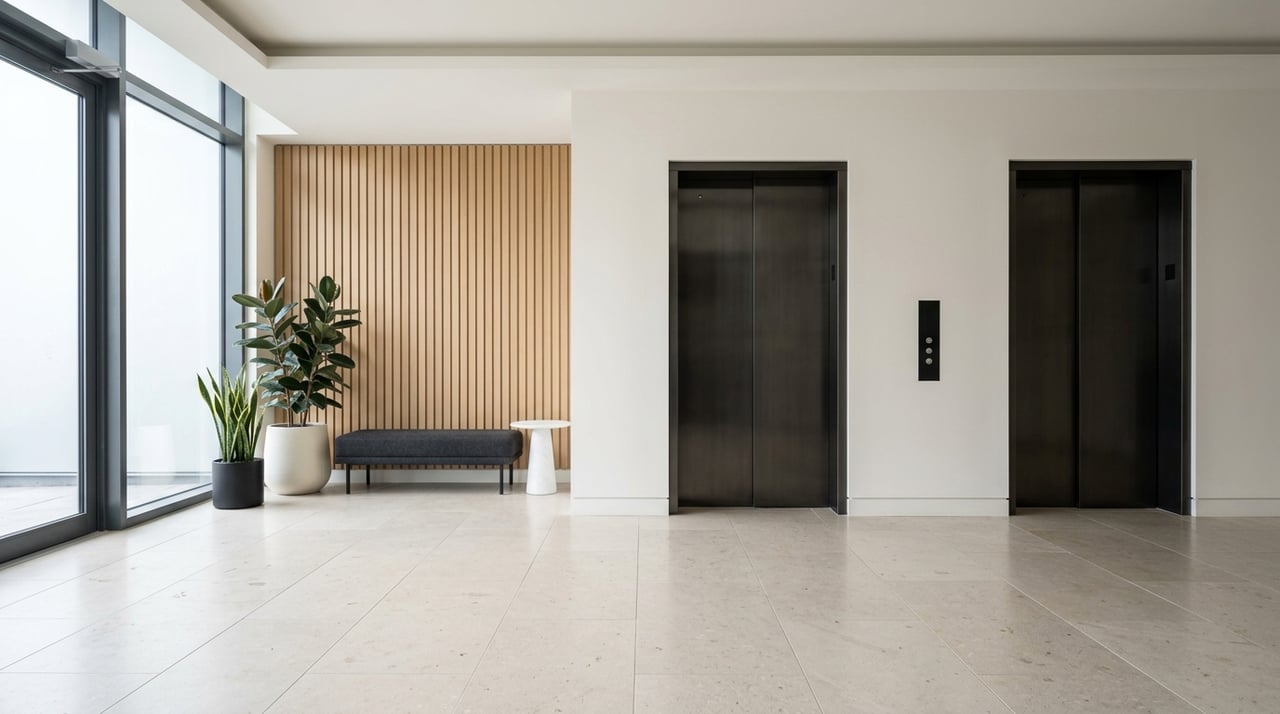
Hancock Lofts, for example, converts the 1881 Sykes Brothers Yarn Mill into 49 loft apartments and 6 artist studios. Features there include exposed brick, original timber beams, arched factory windows, high ceilings, central HVAC, controlled entry, bike storage, a gym, and courtyard access. Nearby in South Kensington, Paper Factory Lofts converted a five-story former factory at 173 Berks Street into 30 loft apartments.
For a design buyer, loft living usually means more texture and less uniformity. You may see irregular layouts, larger windows, exposed structure, and a stronger sense of the building’s original story. If you love character and are willing to embrace some variation from unit to unit, loft product can be especially compelling.
If you are touring both product types, it helps to compare them through a design lens and a practical lens.
Lofts usually emphasize exposed structure, taller ceilings, and windows that feel oversized compared with newer product. Those elements can create a strong visual identity and a sense of volume that is hard to replicate. New townhomes, on the other hand, often feel more uniform and intentional in their finish package.
A true loft conversion may offer charm, but it may also have a less conventional floor plan. Ground-up townhomes usually follow a more standardized layout, which can make furnishing and day-to-day living easier. If flow matters as much as aesthetics, pay close attention to how each level works.
Newer homes in Olde Kensington often market roof decks, private outdoor space, garage parking, or finished basements. Those features can make a major difference in how a city property lives over time. Loft buildings may offer different amenities, but not always the same private-use spaces.
A newer home often appeals to buyers who want current systems and a more turnkey experience. A loft conversion may bring more visual character, but also a different ownership experience depending on the building and its original structure. Neither is better across the board, but one may fit your lifestyle more closely.
Price is one reason many buyers look closely at Olde Kensington. On Realtor.com’s June 2026 neighborhood pages, Olde Kensington shows a median listing price of $449,982, with 61 homes for sale and a median of 52 days on market. In comparison, Fishtown shows a median listing price of $549,500 with 201 homes for sale and 43 days on market, while Northern Liberties shows a median listing price of $699,000 with 115 homes for sale and 58 days on market.
As a simple budget proxy, Olde Kensington currently sits below both neighboring submarkets on listing price while remaining close to the same broader River Wards environment. For buyers who want access to this part of the city without stretching toward Northern Liberties pricing, that matters. It can open the door to more square footage, different finishes, or a more distinctive property type.
The neighborhood feel also tends to read differently. Local guides emphasize rehabilitated industrial buildings, lofts, and an arts corridor, which contributes to a quieter, more residential feel than some of the more destination-heavy parts of nearby neighborhoods. If you want design interest without always being in the center of the busiest scene, that balance may appeal to you.
Design matters, but paperwork matters too. If a home is marketed as new construction, the public record should support that story. In Philadelphia, you can use the City’s Property Search site to review assessed value, building description, square footage, and sales history.
If you want to confirm zoning, the City says you can use Atlas to look it up. The zoning pages also explain that zoning permits govern land use, building height and bulk, parking, and other development rules. More than one zoning permit may be required before a building permit or certificate of occupancy can be issued.
The city also publishes a building-and-zoning-permits dataset. That can help you check whether a property is truly new construction, a rehab, or a change of use. For buyers comparing a sleek townhouse to a converted industrial shell, that extra step can provide useful clarity.
Many new-construction listings in Philadelphia mention a 10-year tax abatement, but you should confirm the status rather than rely on marketing language alone. The City of Philadelphia says new residential construction can qualify for a 10-year real estate tax abatement under Ordinance 1456-A, starting the first month after title date. The city also notes that homes with an active 10-year residential abatement are not eligible for the Homestead Exemption.
That detail can affect your carry costs and your long-term budget. Before you move forward, make sure you understand whether the abatement is active, when it starts, and how it changes your ownership costs. A beautiful home is only part of the decision. The numbers need to make sense too.
Current market data suggests Olde Kensington remains a middle-ground option rather than the priciest River Wards address. Realtor.com shows a median listing price of $449,982, a median listing price per square foot of $282, 61 active for-sale listings, and a median rent of $1,795 per month. Combined with the mix of townhomes, condo product, and factory conversions, the neighborhood offers flexibility that many design buyers appreciate.
If you are looking for architectural texture, newer finishes, and a location near Fishtown and Northern Liberties, Olde Kensington is worth a close look. The key is knowing which kind of product fits your priorities. Some buyers fall for the warmth and irregularity of loft living, while others want the simplicity and polish of newer construction.
When you tour with a clear framework, it becomes much easier to separate what looks good online from what actually fits your lifestyle and budget. If you want a thoughtful, data-informed approach to buying in Philadelphia’s design-forward neighborhoods, Evangeline Gambardella can help you evaluate the details with confidence.
Stay up to date on the latest real estate trends.
Every client deserves to feel valued, heard, and supported. From our first conversation to the final handshake, my goal is to ensure your experience is as smooth and special as the moment. Your happiness isn’t just a priority—it’s the standard.

EVANGELINE GAMBARDELLA
728 S Broad St 3rd Fl Philadelphia PA 19146