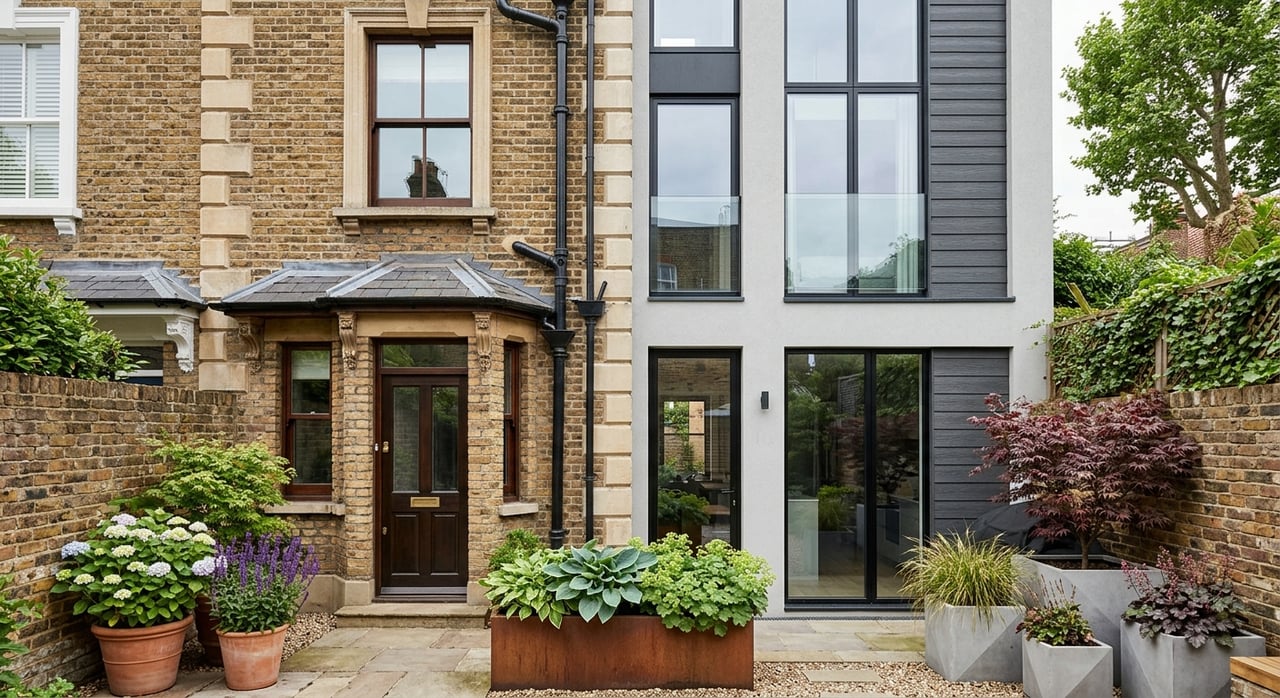
Point Breeze New Construction Versus Classic Rowhomes
June 18, 2026
June 18, 2026
Choosing between new construction and a classic rowhome in Point Breeze can feel simple at first, until you start looking block by block and home by home. You may love the idea of a turnkey, modern layout, or you may be drawn to the character and scale of Philadelphia’s older housing stock. This guide will help you compare both options in practical terms, from layout and upkeep to taxes, permits, and resale. Let’s dive in.
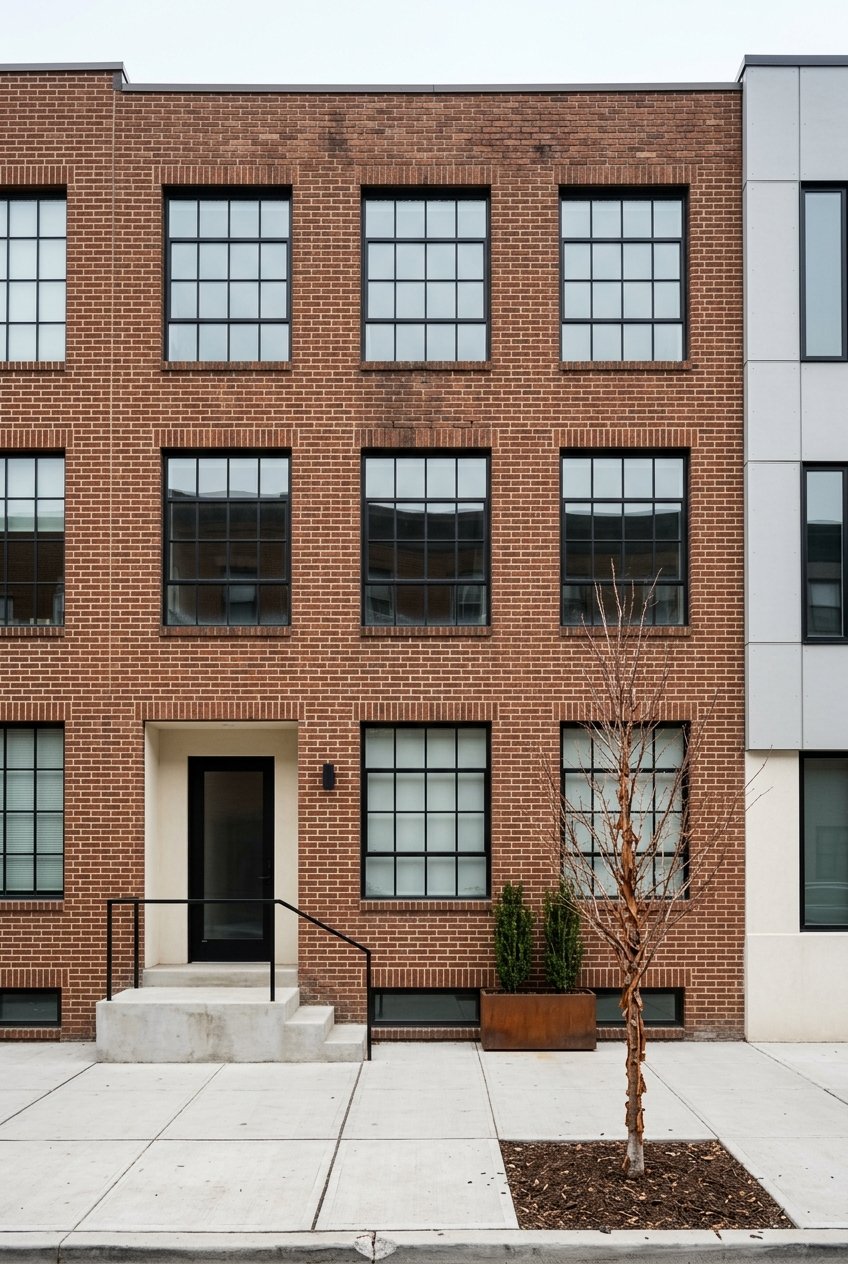
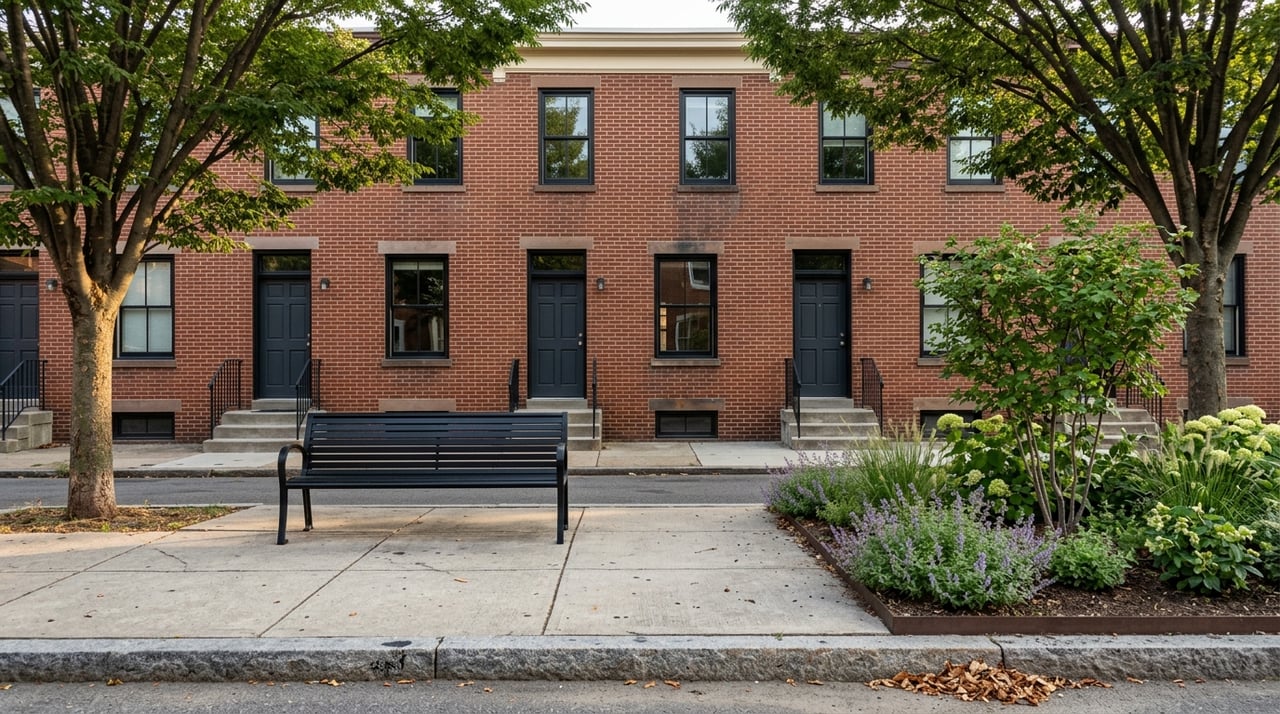
Point Breeze is a predominantly residential South Philadelphia neighborhood shaped by Philadelphia’s historic rowhouse pattern. Much of the area was originally built in the second half of the nineteenth century, and the neighborhood still reflects that traditional two- and three-story rowhome form.
At the same time, reinvestment remains active. City information shows ongoing water, sewer, and green stormwater projects in Point Breeze, which is a useful sign that infrastructure work continues alongside private redevelopment.
The neighborhood also varies by block. City planning documents describe Point Breeze as primarily residential, with industrial corridors along South 25th Street and Washington Avenue and retail corridors along Point Breeze Avenue and South Broad Street, so the feel and function of one location may differ quite a bit from another.
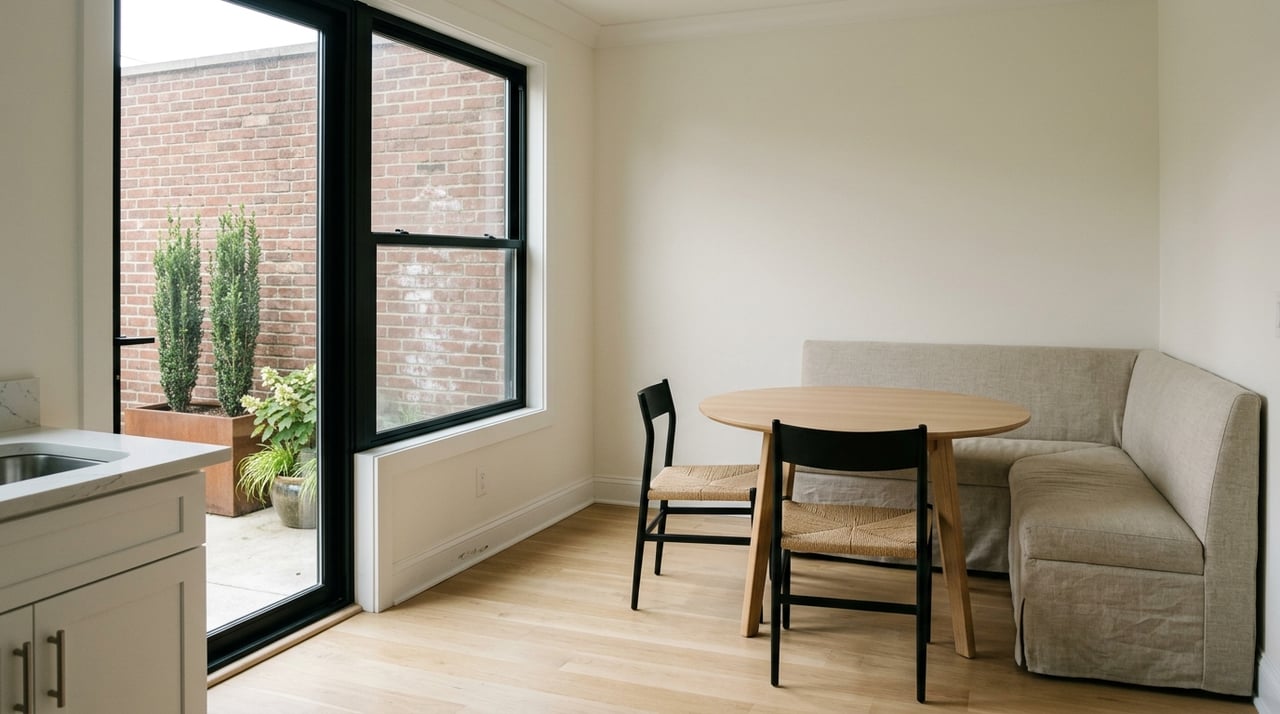
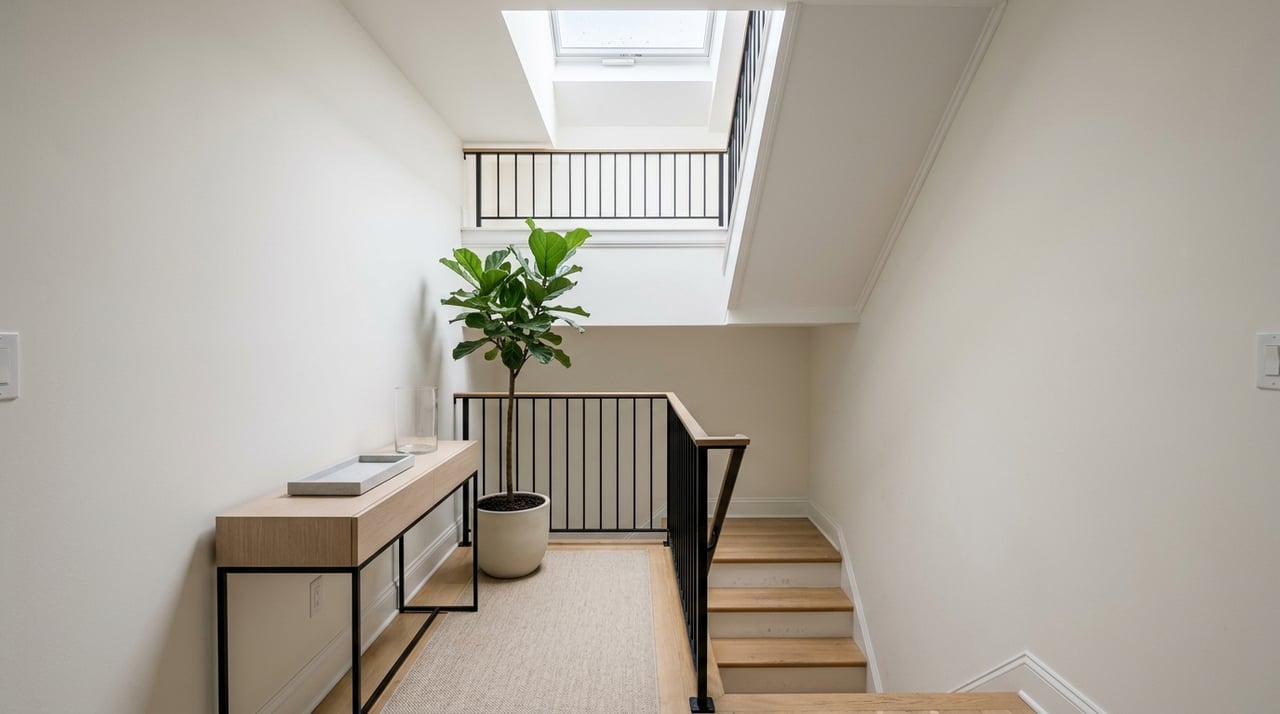
In Point Breeze, newer townhomes often aim for a very specific lifestyle. Public listings commonly highlight open-concept main levels, tall ceilings, large windows, recessed lighting, quartz counters, stainless appliances, finished basements, private outdoor space, and roof decks or pilot-house access.
You will also often see details designed for convenience and entertaining, like second-floor laundry and wet bars. In practical terms, new construction usually appeals to buyers who want a more standardized, move-in-ready experience with fewer immediate update projects.
Another common advantage is efficiency. ENERGY STAR states that certified new homes and apartments offer better energy efficiency and performance than other homes, and the U.S. Department of Energy says certified new homes meet rigorous efficiency and performance criteria verified by a third party.
For you, that can mean a more predictable utility budget and newer mechanical systems. Of course, exact monthly costs still depend on the specific home, but newer construction is generally the format most likely to reduce surprise maintenance in the near term.
Renovated Point Breeze rowhomes often keep the original Philadelphia shell while updating the interior for modern living. Public listings commonly feature open living and dining layouts, updated kitchens and baths, finished basements, and outdoor areas such as fenced patios, rear yards, or larger backyards.
Some of these homes also preserve details that buyers find appealing, such as brick fronts, exposed brick, high ceilings, or original architectural accents. If you want a home that feels tied to the neighborhood’s older streetscape, a classic rowhome often delivers that connection more naturally than a brand-new build.
That said, quality can vary more widely. Because Point Breeze’s housing stock is older, one renovation may be mostly cosmetic while another may include major updates to plumbing, electrical, roof, windows, and insulation.
That difference matters. Two homes may look similar online, but the actual scope of work behind the walls can be very different.
If you are comparing lifestyle fit, it helps to think beyond the label of “new” or “old.” In Point Breeze, both new construction and renovated rowhomes are often marketed around similar buyer priorities, especially open layouts, modern finishes, and outdoor space.
The real question is how those features come together in the specific home. A new build may offer a more seamless open floor plan and brighter natural light from larger windows, while a renovated rowhome may offer a more traditional exterior, a familiar rowhouse scale, and original details that add personality.
Outdoor space is also a meaningful differentiator in both categories. In public listings, patios, rear yards, and roof decks show up regularly, so if private outdoor space matters to you, it is worth comparing exactly what type of space each property offers rather than assuming one category always wins.
In Philadelphia, the monthly payment is not just about the purchase price. Property taxes can materially affect what you actually pay each month, especially in a neighborhood where some homes may have an abatement and others may not.
Philadelphia’s real estate tax rate is 1.3998% of assessed value. That means even a small difference in assessed value or tax treatment can change your budget in a noticeable way.
New residential construction in Philadelphia can qualify for a 10-year property tax abatement. The city also offers a separate 10-year rehab abatement for eligible improvements to existing residential properties.
That is why it is risky to make assumptions. A new build may have an abatement runway that helps lower taxes during the abatement period, but a renovated rowhome may also have a rehab abatement if the work qualified and the paperwork was filed properly.
On the other hand, a renovated classic is not automatically the lower-tax option. If the renovation was cosmetic only, or if the abatement was never secured, you may be paying full taxes from day one.
The practical takeaway is simple: verify the abatement status for the exact address. Do not assume that “old” means fully taxed or that “new” means automatically abated.
One of the biggest budgeting mistakes buyers make is focusing only on the current tax bill. If a home benefits from a 10-year abatement, you should also understand what your taxes may look like after that period ends.
Philadelphia states that properties with a 10-year residential tax abatement are not eligible for the Homestead Exemption during the abatement period. The city’s current Homestead Exemption reduces the taxable portion of assessed value by $100,000, and starting in 2025, the city describes that as saving most homeowners up to $1,399 per year.
That means the post-abatement tax bill is not just a technical detail. It can become a real resale and affordability issue later, especially if your future buyer is comparing your home with another property that still has more abatement time remaining.
In Point Breeze, construction quality often matters more than the broad category of home you choose. A strong new build can be a great purchase, and a thoughtfully renovated rowhome can be too. The key is documentation and due diligence.
Philadelphia advises buyers to confirm that contractors have proper licenses and registrations, check that required permits were obtained and posted, and use the city’s L&I lookup tools to review active licenses, violations, and permit status.
The city also notes that plumbers, electricians, fire suppression contractors, and complete demolition contractors must have Philadelphia trade licenses. If a seller or developer cannot clearly show the scope of work and who completed it, that should prompt more questions.
For new construction, a Certificate of Occupancy is required for new buildings and shows the structure has been approved for safe occupancy. That is an important checkpoint for any buyer considering a newly built home.
For existing one- or two-family homes, a Certificate of Occupancy is not required when the property changes hands if the use remains the same. So if you are buying an older rowhome, the absence of a Certificate of Occupancy is normal and should not be treated as unusual.
What it does not mean is that the renovation was automatically done correctly. For classic rowhomes, permits, contractor licensing, and the actual rehab scope still matter.
When buyers think about future value, they often ask whether new construction or classic rowhomes resell better. In Point Breeze, that question is usually too broad.
The bigger drivers are often block-by-block location, documented permits, remaining years on any abatement, and whether the layout matches buyer demand. Since both product types are commonly marketed with open layouts, outdoor space, and updated finishes, long-term value often comes down to quality and micro-location more than the simple label of “new” versus “old.”
That is especially true in a neighborhood where the surrounding streetscape, nearby corridors, and overall feel can shift from one block to the next. A great house on the right block can outperform a less compelling alternative in either category.
If you are weighing both options, this quick framework can help:
In Point Breeze, there is no one-size-fits-all winner. The right choice depends on how you weigh convenience, character, documentation, and long-term carrying costs.
If you want help comparing specific Point Breeze homes with a sharper eye on taxes, quality, and resale, Evangeline Gambardella can help you sort through the details and make a confident decision.
Stay up to date on the latest real estate trends.
Every client deserves to feel valued, heard, and supported. From our first conversation to the final handshake, my goal is to ensure your experience is as smooth and special as the moment. Your happiness isn’t just a priority—it’s the standard.

EVANGELINE GAMBARDELLA
728 S Broad St 3rd Fl Philadelphia PA 19146