Downsizing to Fitler Square for a Smarter City Move
July 2, 2026
July 2, 2026
If you want less upkeep without giving up city living, Fitler Square deserves a close look. Downsizing here is not just about moving into a smaller space. It is about choosing a home that fits how you want to live day to day, from walkability and green space to building services and parking. With the right plan, you can make a smart move that feels simpler, lighter, and well matched to your next chapter. Let’s dive in.
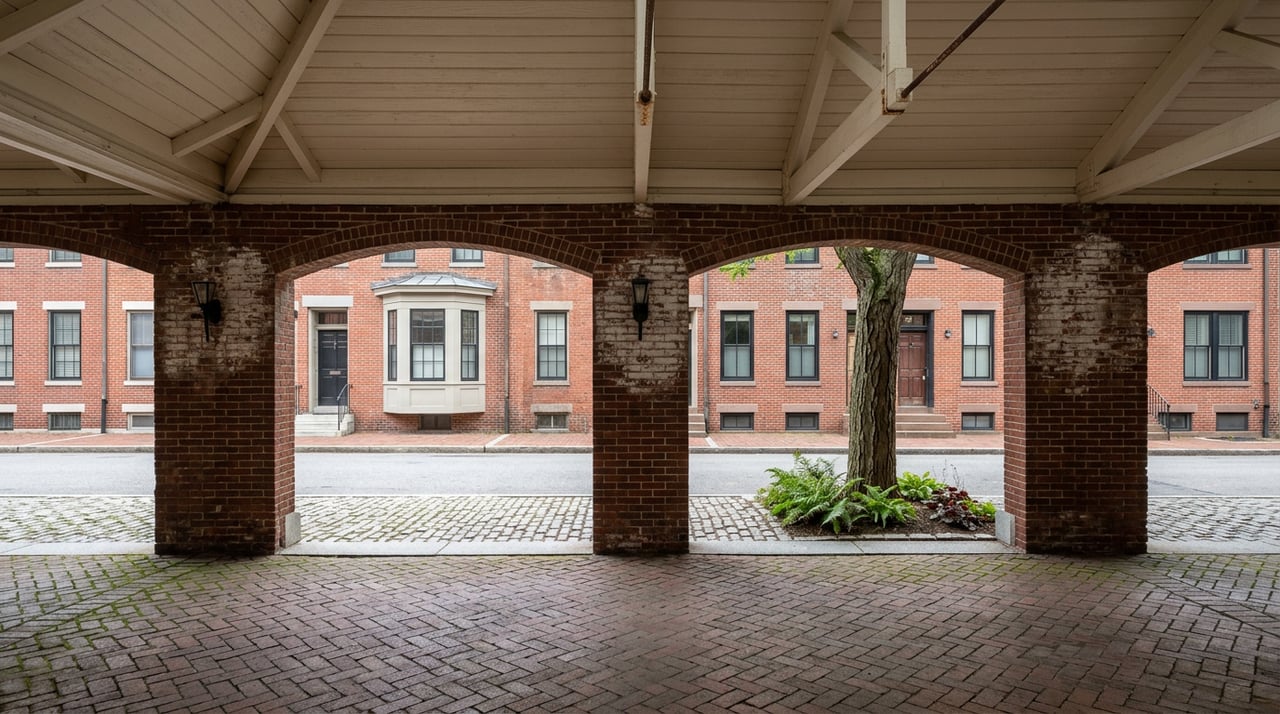
Fitler Square is a compact residential pocket in the southwest corner of Center City. It is known for its half-acre neighborhood park on Pine Street between 23rd and 24th Streets and for being an easy walk to nearby commercial areas while still feeling residential.
That balance can matter a lot when you downsize. You may want to cut maintenance and square footage, but still keep everyday convenience. Fitler Square offers a setting where you can stay connected to Center City while enjoying a quieter street feel.
Another major lifestyle asset is the Schuylkill Banks trail system. The Center City trail section runs nearly two miles along the riverfront and connects to the larger Schuylkill River Trail, the Circuit Trails, and the East Coast Greenway. If daily walks or bike rides are part of your routine, that access can add real value to your search.
One of the biggest downsizing decisions in Fitler Square is not just price or size. It is property type. The local housing mix includes classic tree-lined rowhouses, with One Riverside standing out as the neighborhood’s main high-rise condo presence.
That means your search should be specific from the beginning. In Fitler Square, it helps to separate your options into three buckets: full-service elevator condo, boutique condo conversion, or smaller townhome and rowhouse. Each one offers a different mix of convenience, privacy, cost, and upkeep.
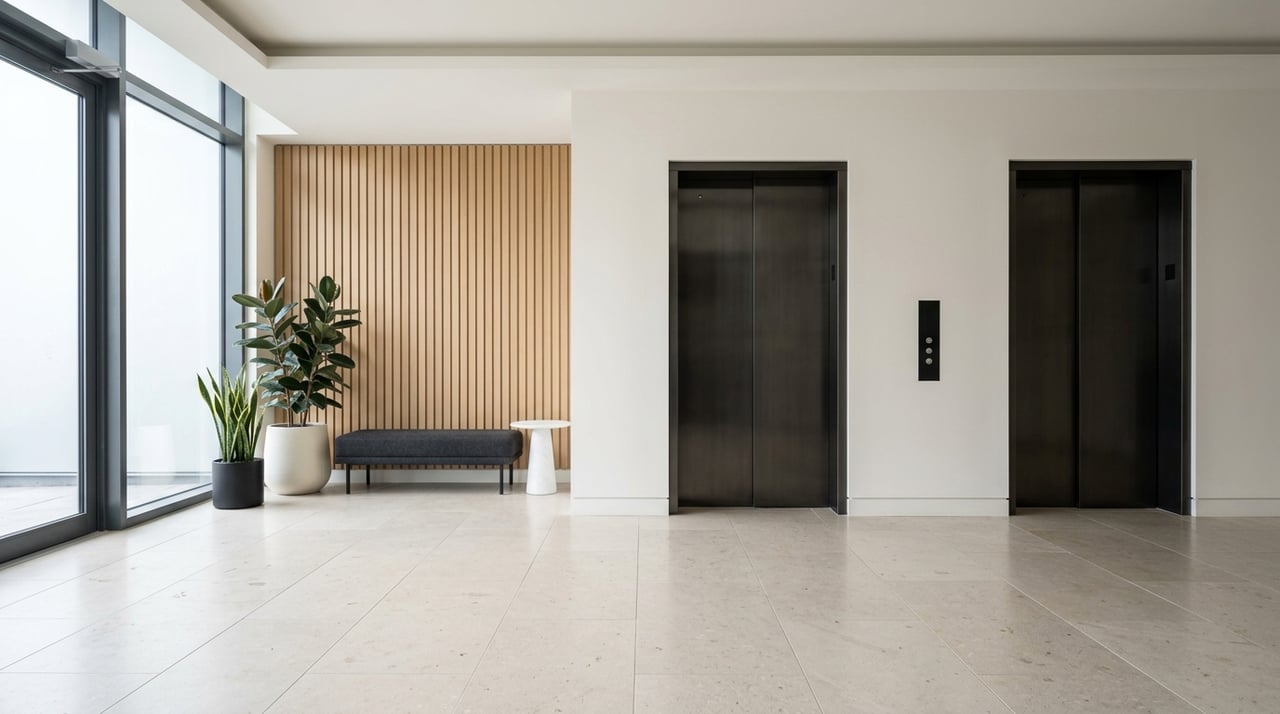
For many downsizers, an elevator building is the clearest path to lower-maintenance living. Condo fees often cover common-area and exterior maintenance, and they may also contribute to insurance or reserves.
That convenience can be a real win, but you want to look past the monthly fee itself. A few hundred dollars a month may feel manageable, while a fee above $1,000 can change your total monthly budget quickly. The important question is what that fee includes and whether it supports a well-run building.
A smaller condo building can offer a more intimate feel than a larger high-rise. In a neighborhood like Fitler Square, this option may appeal to buyers who want a residential setting with some shared maintenance responsibilities.
Still, smaller buildings need careful review. You will want to understand reserve strength, insurance coverage, and whether special assessments are active or likely. In a smaller association, those details can affect your ownership experience more directly.
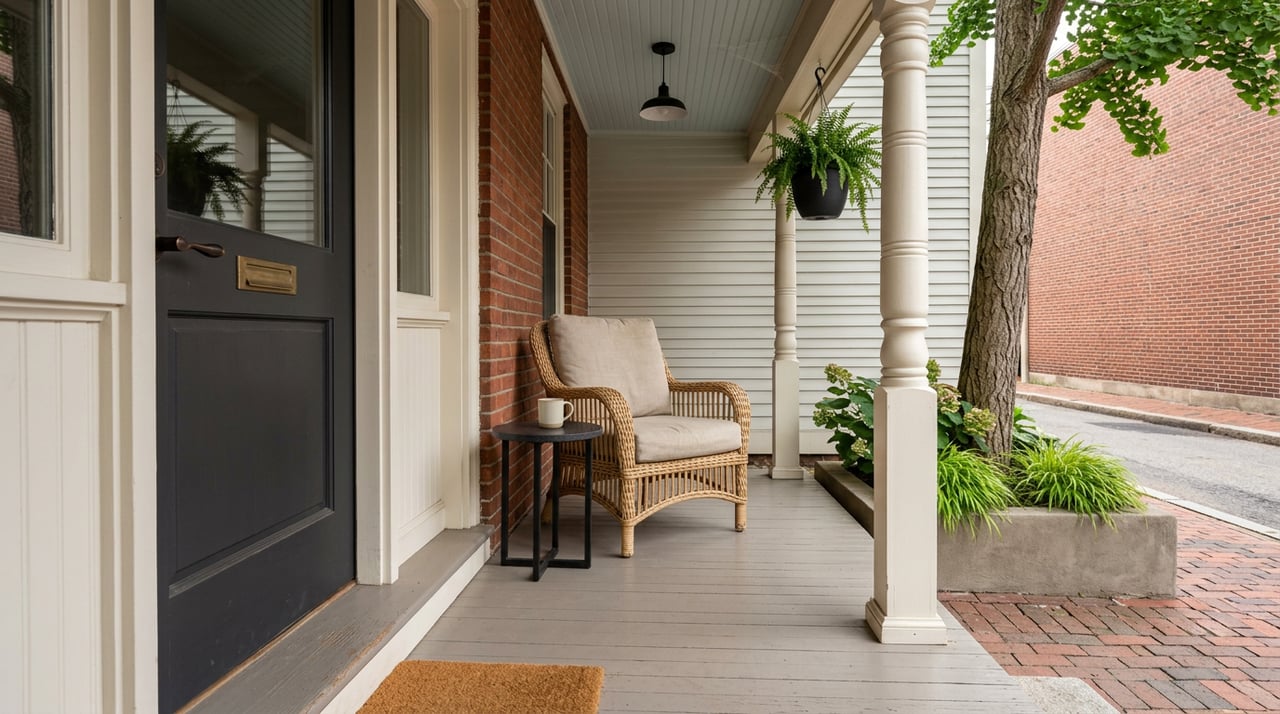
If you want more independence and more architectural character, a smaller townhome or rowhouse may be the right fit. This option often gives you greater ownership control, but it usually comes with more hands-on upkeep than a managed condo building.
That trade-off can work well if you still want a private entry, outdoor space, or a more traditional home layout. It may be less ideal if your top goal is to simplify maintenance as much as possible.
A common downsizing mistake is focusing too much on the mortgage payment alone. Your total monthly housing cost is broader than principal and interest. It also includes taxes, insurance, and, when applicable, condo or HOA fees.
That is why your home search should start with an all-in monthly ceiling. If you know the true number you want to stay under, you can compare condos and townhomes more clearly and avoid surprises later.
Condo and HOA fees vary widely, so the better question is not just “How much is it?” It is “What does it cover?” In some buildings, the fee may support exterior maintenance, common areas, insurance, or reserve funding for future repairs.
A higher fee is not automatically a bad sign. In some cases, it reflects stronger reserves or more services. A lower fee is not automatically better either, especially if it means deferred maintenance or weak reserves.
Condo document review is often time-sensitive after an offer is accepted. Because of that, it is smart to ask key building questions as early as possible.
Your shortlist should include:
Parking can become more important when you downsize, especially if your next home has limited storage, regular visitors, or no on-site garage. In Fitler Square, parking should be part of your search criteria from day one, not an issue to solve later.
Philadelphia residential parking permits are district-specific and require Pennsylvania plates registered to your home address in the district. The annual permit fee is $75 per vehicle, and permits are now virtual.
Guest parking rules matter too. Physical day-pass books were discontinued as of January 1, 2026, in favor of virtual guest passes. If you regularly host family, friends, or caregivers, this detail may matter just as much as whether your property comes with a space.
As you compare homes, it helps to define your acceptable parking setup clearly. For example, you may want one of the following:
If street parking feels uncertain, nearby Center City garages and lots operated by the Philadelphia Parking Authority can be a practical backup option. That can widen your home choices if an otherwise strong fit does not include parking.
Some downsizers are happy to move into a turnkey property. Others want a smaller home they can personalize over time. In Fitler Square, that second path requires a little extra care.
If a property is on the Philadelphia Register of Historic Places, exterior alterations require approval from the Historical Commission. The city also lists the Rittenhouse-Fitler historic district, so buyers should confirm a property’s designation status before assuming they can make future exterior changes.
This can affect projects such as:
If renovation flexibility matters to you, bring that up early in your search. It can help you avoid falling in love with a home that limits the changes you have in mind.
Even when a condo association covers common areas, unit owners usually still need their own insurance. That is an easy detail to overlook during a downsizing move, especially if you are used to a different ownership setup.
It is also worth checking flood exposure based on the specific property, particularly for homes near the river. Flood risk should be reviewed by address, not assumed by neighborhood name alone.
Downsizing often involves two major transactions at once: selling your current home and buying your next one. For most people, the normal path is to sell first and then buy.
That sequence can reduce pressure and help you make a clearer financial decision. It also gives you a firmer budget for your next purchase, which is especially helpful when comparing condo fees, insurance costs, and parking options.
In some cases, you may need to buy before selling. If that is the plan, a temporary bridge loan with a term of 12 months or less can finance the purchase of a new home while you expect to sell your current home within that same 12-month period.
This strategy can create flexibility, but it needs careful coordination. Timing matters, and so does understanding how the temporary financing fits into your overall move plan.
Loan closing and home purchase closing typically happen at the same time. That makes your target closing date an important anchor for the entire move.
Once that date is in view, you can work backward and line up your listing timeline, contract dates, inspections, financing steps, and moving logistics. For downsizers, that kind of coordination can make the transition feel much more manageable.
If you want your home search to feel focused instead of overwhelming, create a simple brief before touring properties. This is especially useful in a neighborhood like Fitler Square, where housing options are distinct and inventory may not fall into neat categories.
Your search brief should cover:
This kind of framework helps you compare homes more clearly. It also makes your decision process faster when the right property comes up.
A move to Fitler Square can be a smart way to simplify without stepping away from the rhythm of Center City living. The key is to look beyond square footage and focus on how each home supports your budget, mobility, maintenance goals, and move timing.
When you evaluate condos, rowhouses, parking, fees, and timing together, you can make a choice that truly fits your next stage. If you are thinking about downsizing in Fitler Square, Evangeline Gambardella can help you build a clear plan and find the right city home.
Stay up to date on the latest real estate trends.
Every client deserves to feel valued, heard, and supported. From our first conversation to the final handshake, my goal is to ensure your experience is as smooth and special as the moment. Your happiness isn’t just a priority—it’s the standard.

EVANGELINE GAMBARDELLA
728 S Broad St 3rd Fl Philadelphia PA 19146