Selling A Graduate Hospital Rowhome Or Townhouse
July 9, 2026
July 9, 2026
Wondering how to sell your Graduate Hospital rowhome or townhouse without leaving money on the table? In this part of Philadelphia, buyers move quickly, but they also notice details fast, especially in attached homes where condition, light, and layout can shape first impressions right away. If you are preparing to sell, it helps to understand what buyers compare, what they scrutinize, and how to launch with a strategy that supports a strong result. Let’s dive in.
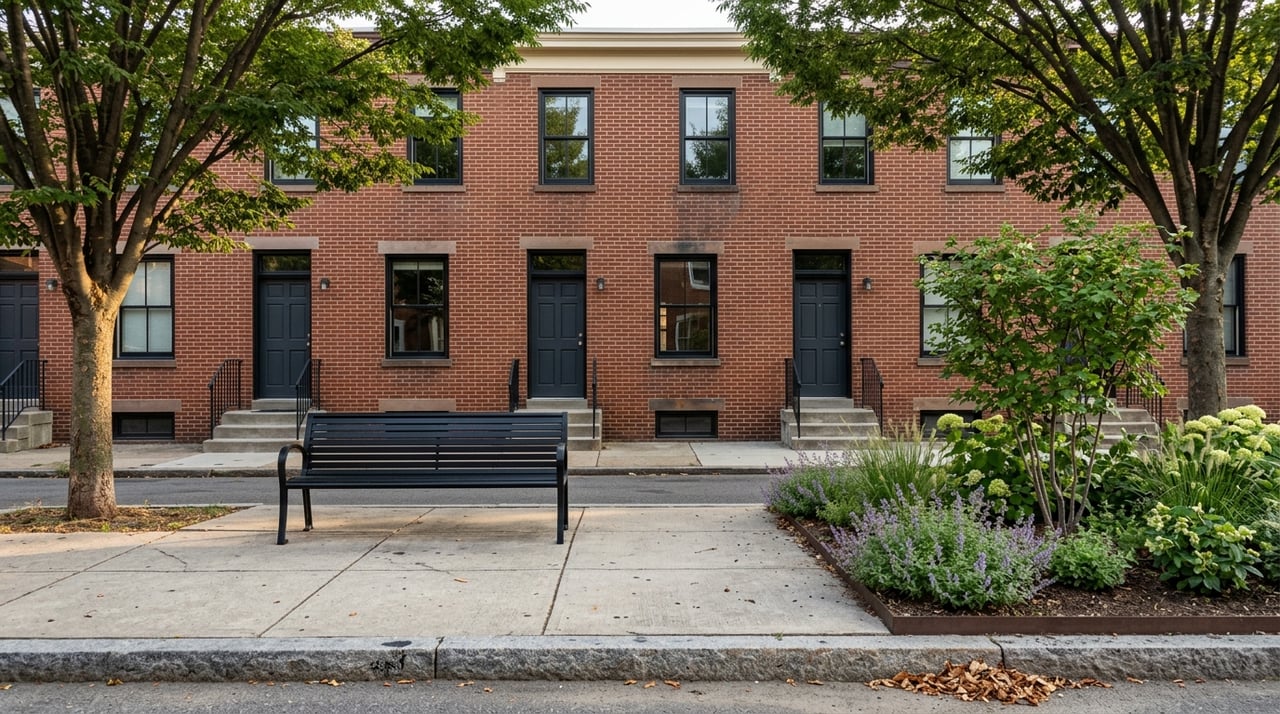
Graduate Hospital holds a distinct place in Philadelphia’s housing market. It is a walkable, tree-lined neighborhood between South Street, Washington Avenue, Broad Street, and the Schuylkill River, and it is closely tied to the city’s rowhome fabric.
That setting matters when you sell. Your home is not just competing against nearby attached houses. It is often being weighed against Center City-adjacent options with higher price-per-square-foot expectations and South Philly options with lower entry pricing.
Using Realtor.com’s May 2026 list-side data, Graduate Hospital had a median listing price of $657,000, 147 homes for sale, 33 median days on market, and about $403 per square foot. Homes were also selling at roughly 100% of asking, which suggests buyers are still engaging when homes are priced and presented well.
That puts Graduate Hospital well above the broader Philadelphia County market, where the median listing price was $275,000 with 44 median days on market and a 99% sale-to-list ratio. In other words, your home likely sits in one of the city’s higher price tiers, and that calls for a more precise go-to-market plan.
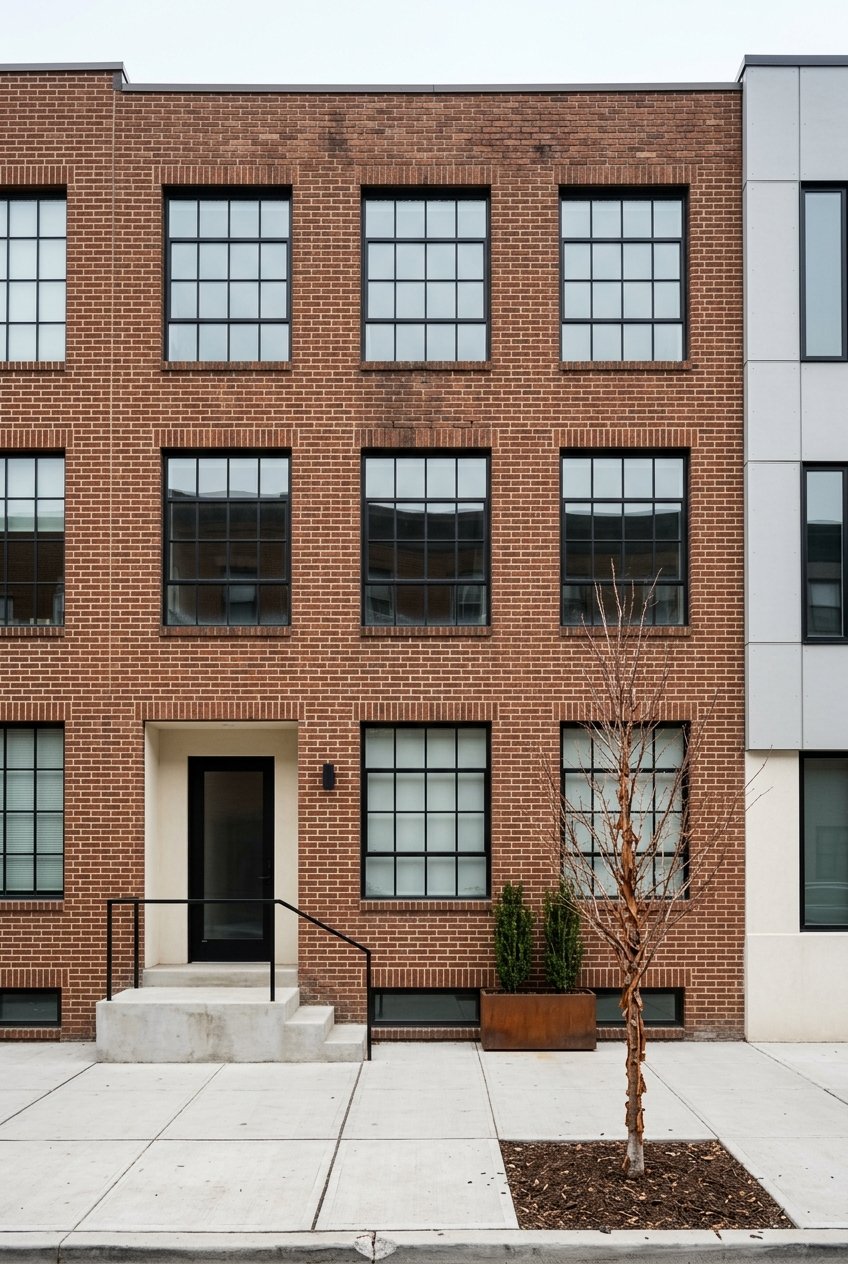
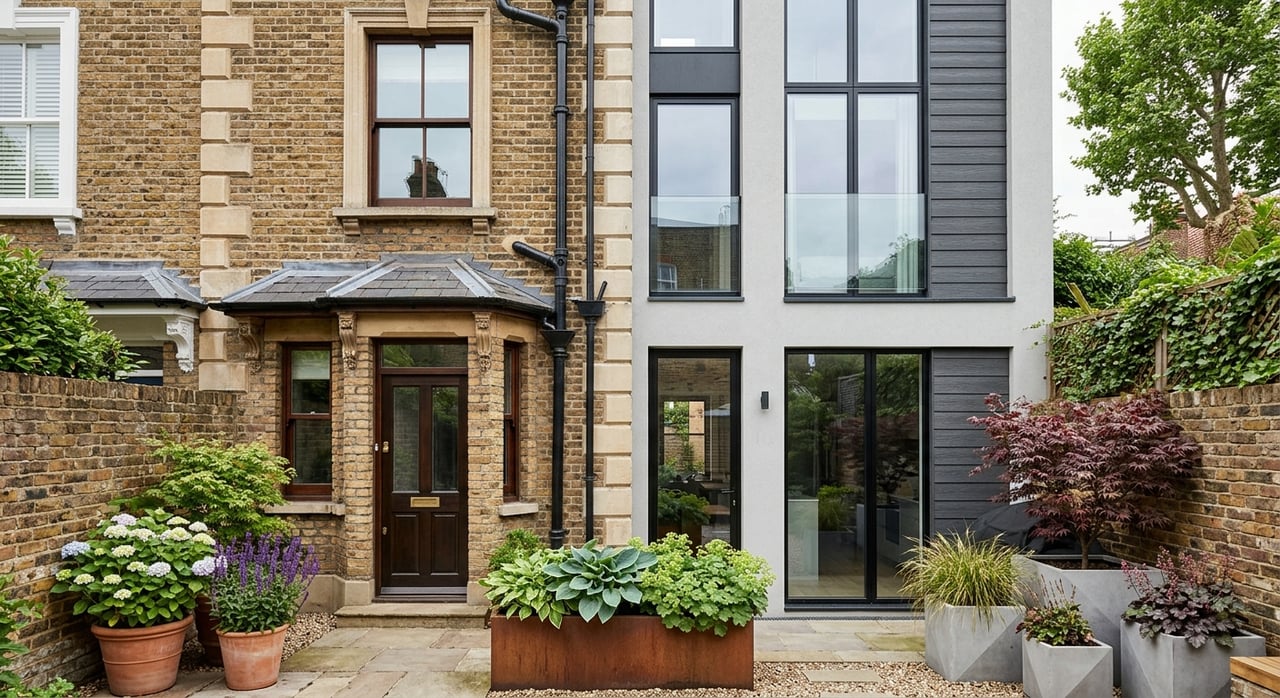
Philadelphia is largely a rowhouse city, and Graduate Hospital reflects that identity. The classic local rowhouse is a narrow-frontage home attached on both sides, so buyers often evaluate these properties a little differently than they would a detached home.
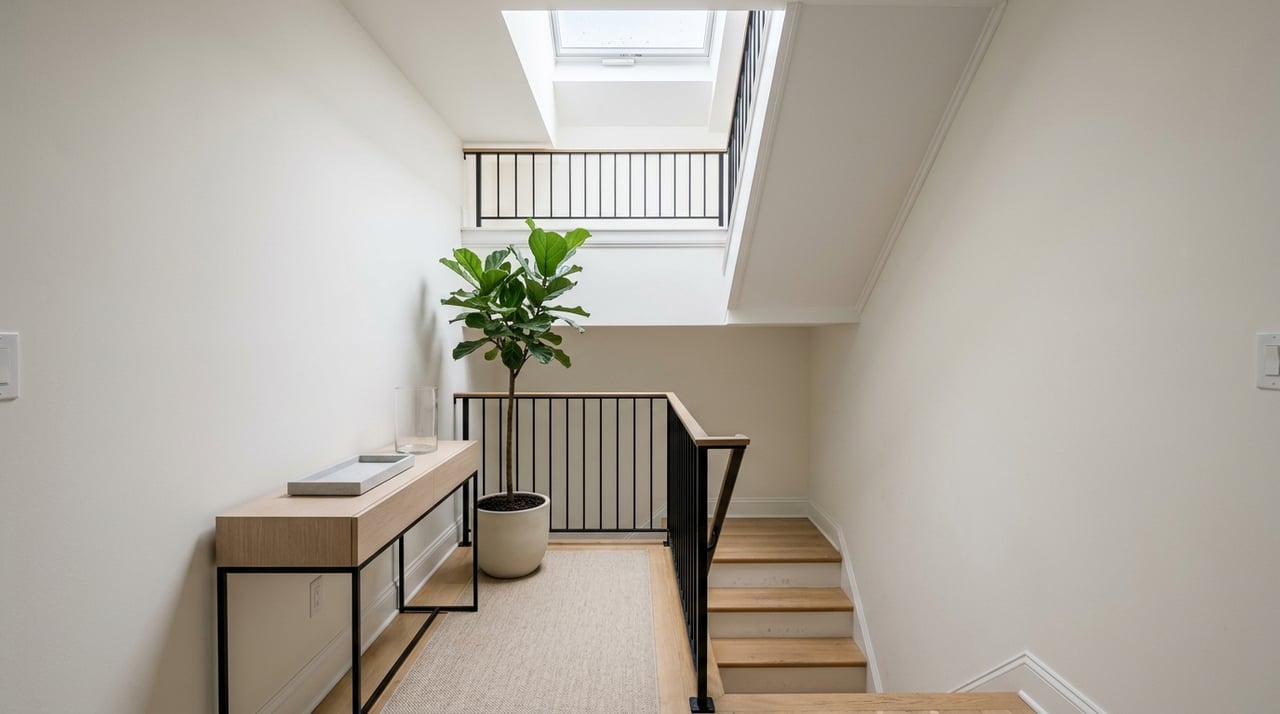
In a rowhome or townhouse, buyers tend to focus on livability as much as square footage. They are often thinking about natural light, room flow, storage, stairs, and how well each level functions day to day.
That is why small presentation choices can have a big effect. A bright, efficient-feeling home can land very differently than a similar home that feels dark, tight, or visually busy.
Before buyers study finishes or compare room measurements, they usually start with visible maintenance signals. The Philadelphia City Planning Commission’s rowhouse manual notes that most maintenance problems begin outside and that water is a rowhouse’s worst enemy.
For your sale, that means the exterior matters more than many owners expect. Buyers are often reading the facade, roofline, windows, basement condition, and signs of general upkeep as clues about how the rest of the house has been maintained.
Inside, attached city homes tend to put extra attention on light and flow. If your property also offers a roof deck, patio, or parking, those features can become major value points because they add usable city living space in ways buyers immediately understand.
If your home is newer construction, one more item may stand out in a buyer’s math: any remaining Philadelphia residential tax abatement. If there is still time left on a 10-year abatement, that can materially affect affordability and should be documented clearly before the home hits the market.
One of the biggest mistakes sellers make in Graduate Hospital is pricing in a vacuum. Buyers rarely shop by neighborhood name alone. They often compare homes across nearby areas that offer a similar city lifestyle at different price points.
Realtor.com’s May 2026 data showed Rittenhouse at a $650,000 median listing price with $516 per square foot and 57 days on market. Point Breeze sat around a $358,000 median listing price with $247 per square foot and 38 days on market.
That creates a useful reality check. A Graduate Hospital listing may attract buyers considering a more expensive Center City-adjacent option or a more value-driven South Philly option, so pricing has to make sense within that broader search pattern.
The goal is not to chase the highest number possible. The goal is to launch at a price that fits your home’s condition, updates, outdoor space, parking if present, and position within the neighborhood’s active competition.
If you want a smoother sale, pre-list preparation matters. In a rowhome, the highest-value repair review usually starts with exterior water management, then moves to the roof, masonry or pointing, basement moisture, and core systems.
That order is practical for Graduate Hospital housing stock. Since exterior neglect and water intrusion can drive broader damage in attached homes, buyers and inspectors tend to zero in on those issues quickly.
This does not mean every seller needs a major renovation. It means you should identify the repairs that reduce buyer concern, support your asking price, and lower the odds of renegotiation during inspections.
A focused pre-list review often pays off more than cosmetic spending in the wrong places. Fresh paint and styling help, but they do not replace a sound roof, dry basement, or documented system work.
Pennsylvania requires sellers to disclose known material defects that are not readily observable. The state seller disclosure form covers a wide range of property conditions, including roofs, basements and crawl spaces, pests, structural issues, additions or remodeling, plumbing, heating and air conditioning, electrical systems, soils and drainage, and legal or title matters.
The form is not a warranty, and it does not replace inspections. Still, completing it carefully and early can help you avoid last-minute stress once buyers start asking detailed questions.
For many Graduate Hospital sellers, a strong document package includes:
When buyers feel they are getting a well-documented home, the transaction often moves with fewer surprises. That can be especially important in a neighborhood where many homes have a mix of original elements, updates, and city-specific maintenance history.
Staging matters, especially in vertical city homes. According to the National Association of Realtors’ 2025 staging report, 29% of sellers’ agents said staging led to a 1% to 10% increase in offer value, 49% said it reduced time on market, and 83% of buyers’ agents said staging made it easier for buyers to visualize the home as their own.
That is useful guidance for Graduate Hospital. Because rowhomes can feel narrow on paper, staging should help the home read as bright, open, and easy to move through.
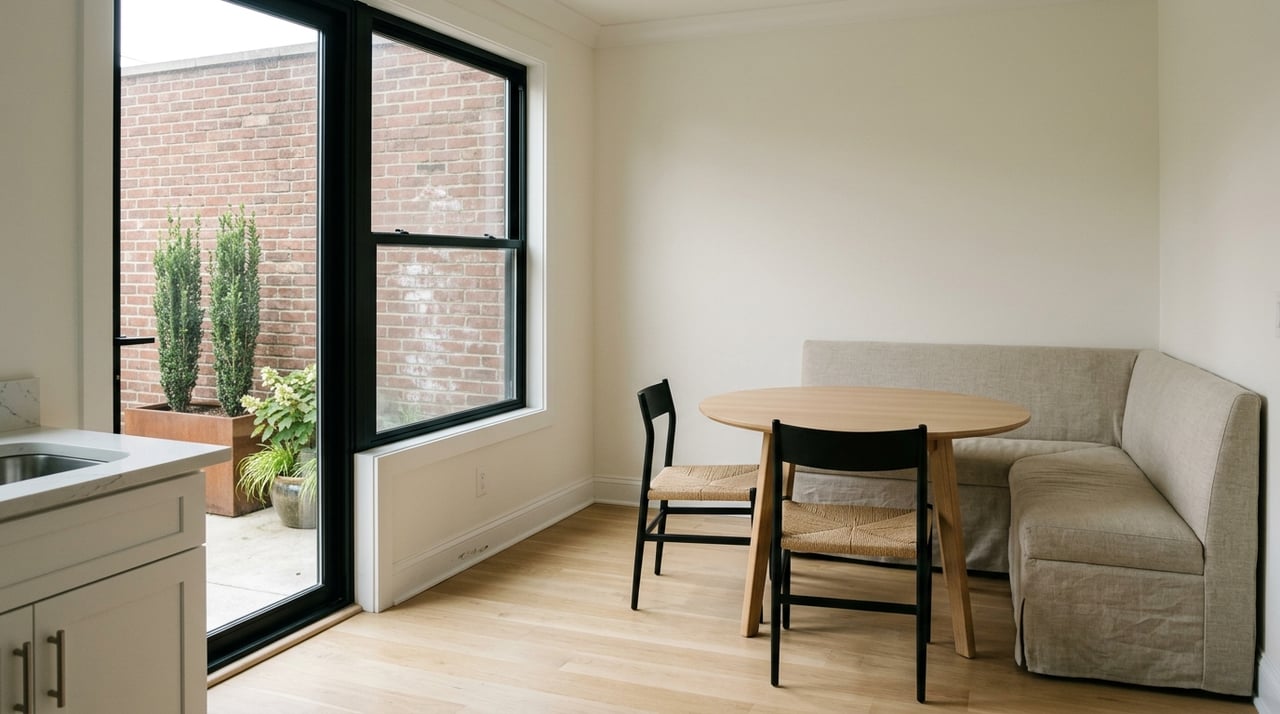
The same report identified the living room, primary bedroom, and kitchen as the highest-priority rooms to stage. In practical terms, that often means simplifying furniture, removing visual clutter, improving lighting, and making each main space feel purposeful.
Your goal is not to fill every corner. Your goal is to show scale, circulation, and comfort in a way that helps buyers imagine daily life across multiple levels.
Online presentation does a lot of the early selling for you. The staging report found that photos were rated important by 73% of buyers’ agents, ahead of physical staging, videos, and virtual tours.
For a Graduate Hospital rowhome or townhouse, the photo order matters. Lead with the cleanest exterior image, then the main living area, kitchen, primary suite, and any high-value extras like a roof deck, patio, or parking.
This sequence works because it matches how buyers often evaluate attached city homes online. They want to see curb appeal, the primary living experience, and the lifestyle features that help distinguish one narrow-footprint home from another.
If your listing photos are dark, crowded, or inconsistent, buyers may assume the home itself feels that way. Strong photography helps you control that first impression before anyone steps through the door.
Open houses should reinforce what the photos promised. In a Graduate Hospital rowhome, the in-person experience should feel bright, clean, and efficient from level to level.
Narrow homes show clutter and poor lighting quickly, so preparation matters. Clear pathways, lighter styling, and clean sightlines can make a noticeable difference in how spacious the home feels.
You also want buyers to understand how the home lives. If there is flexible space for a home office, workout area, or guest setup, it should read clearly rather than feel ambiguous.
Selling price is only part of the financial picture. In Philadelphia, the Realty Transfer Tax is currently 4.578% total, split between the city and the Commonwealth, so that cost should be built into your net-proceeds planning early.
It is also important to confirm in the contract how that tax will be handled. A strong pricing strategy should always connect back to what you actually expect to net, not just the headline sale number.
In a market where the city is still moving at a relatively warm pace, repeated price cuts can undercut momentum. A polished listing, well-supported pricing, and upfront planning often create a better path than launching high and adjusting later.
Selling a Graduate Hospital rowhome or townhouse is rarely just about square footage. It is about pricing within the right comp set, solving the condition issues buyers notice first, and presenting the home in a way that highlights light, flow, and city-living features.
That is where a data-driven, detail-oriented approach can make a real difference. When your strategy reflects the realities of attached housing in this neighborhood, you put yourself in a stronger position from launch through closing.
If you are thinking about selling and want a tailored plan for your home, reach out to Evangeline Gambardella for a thoughtful, high-touch approach backed by local market insight.
Stay up to date on the latest real estate trends.
Every client deserves to feel valued, heard, and supported. From our first conversation to the final handshake, my goal is to ensure your experience is as smooth and special as the moment. Your happiness isn’t just a priority—it’s the standard.

EVANGELINE GAMBARDELLA
728 S Broad St 3rd Fl Philadelphia PA 19146