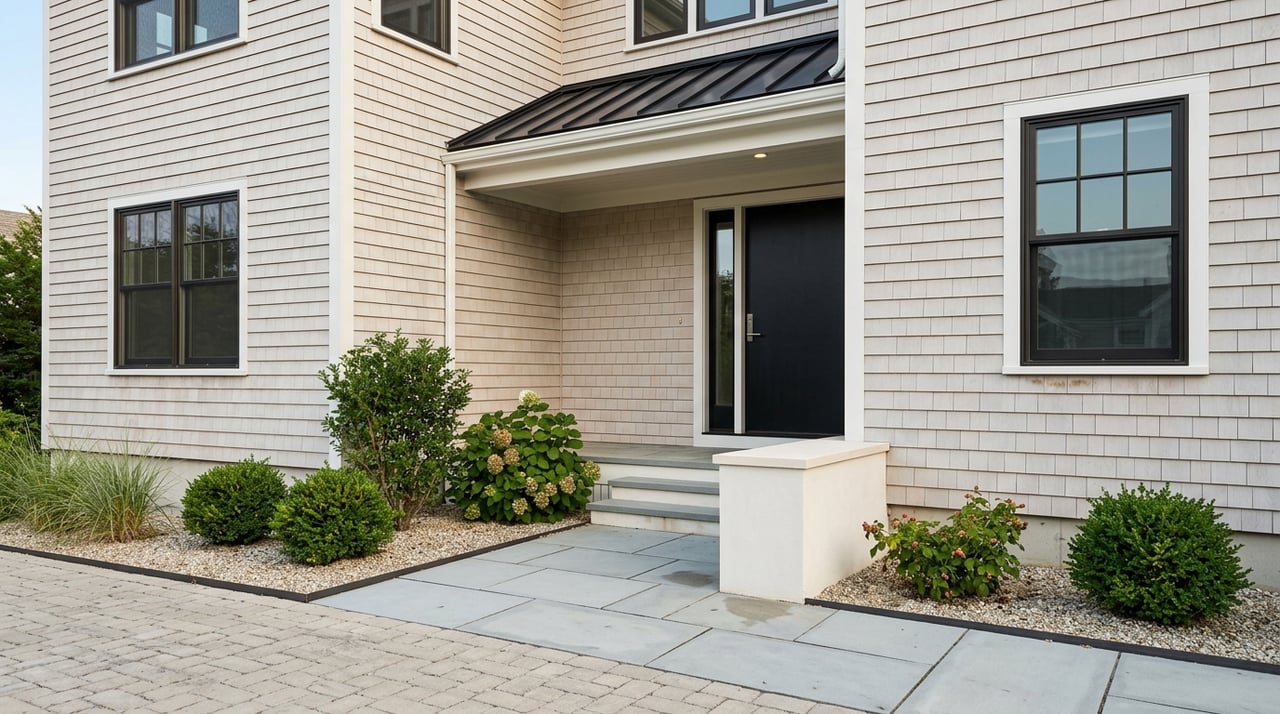
Jersey Shore Cape May Real Estate: Vacation Home or Investment
May 28, 2026
May 28, 2026
Dreaming about a place at the Jersey Shore is easy. Deciding whether that purchase should be a true vacation home, an income property, or something in between is where it gets more complicated. If you are considering Cape May, the good news is that this market has the visitor demand, year-round appeal, and property mix to support more than one strategy. Let’s dive in.
Cape May County has the kind of tourism scale that makes buyers pay attention. According to county tourism data, the county has nearly 95,000 year-round residents, a seasonal summer population of more than 820,000, and reported $8.44 billion in visitor spending in 2025.
That matters because it shows this is not a niche vacation market with limited demand. The county also reports that 52% of visitors come back two or more times a year, which points to strong repeat visitation and a deeper pool of potential renters.
Cape May City adds another layer of appeal. County tourism materials describe it as the Nation's Oldest Seashore Resort, with more than 600 preserved Victorian structures and a full calendar of seasonal events. For buyers, that creates a lifestyle draw that can support both personal use and rental interest.
The best choice usually comes down to how you want the property to work for you. Some buyers want a place that feels like an escape first and do not mind carrying more of the cost themselves. Others want the home to offset expenses through rental income, even if that means making more operational decisions.
A practical way to think about it is this: a vacation home is led by lifestyle, while an investment property is led by numbers. In Cape May, many buyers land somewhere in the middle.
A vacation-home approach may be the better fit if your main goal is personal enjoyment. You may want flexibility for family weekends, holiday stays, and spontaneous trips without having to work around a rental calendar.
This path can also be simpler emotionally. You are choosing the property that suits your lifestyle, even if off-season rental income is modest or inconsistent.
An investment-minded purchase may be a better fit if you want the property to help cover taxes, insurance, utilities, and maintenance. In that case, the home needs to be evaluated as an operating asset, not just a place you love.
That means looking closely at occupancy patterns, rental rules, and carrying costs. In Cape May, conservative underwriting matters because demand is strong, but it is still seasonal.
Many buyers in Cape May want both personal use and income potential. That can work well, but only if you buy with realistic expectations.
A strong hybrid purchase is usually one where the fixed costs are manageable even without perfect summer occupancy. If the numbers only work in a best-case scenario, the property may feel like a burden instead of an opportunity.
Cape May still revolves around the summer season, but it is not limited to summer. County tourism materials describe the area as an increasingly year-round resort destination, supported by birding, antiquing, biking, hiking, wineries, dining, holiday events, spring festivals, and fall programming.
That broader appeal helps support shoulder-season demand. It also means your property may have value beyond a few peak weeks, especially if you want to use it personally in quieter months.
Still, it is smart to underwrite a Cape May property as a seasonal asset first and a year-round cash-flow asset second. The county's 2024 tourism report estimates overnight visitors spend about $365 per person per day, compared with about $110 for day-trippers, which helps explain why lodging demand is so important during key travel periods.
For you as a buyer, the takeaway is simple. Expect the strongest rental performance in peak summer and shoulder seasons, and be cautious about assuming steady income all year long.
Before you buy with rental income in mind, you need to know whether the property can legally and practically support that plan. In Cape May City, short-term rental compliance is a major part of the investment equation.
The city defines a seasonal or short-term rental as a lease or tenancy for less than 175 consecutive days where the tenant has a permanent residence elsewhere. The city also requires annual licensing and inspection for rental properties, including single-family homes, multi-unit properties, and condominium buildings.
That means no matter how attractive a listing looks on paper, the property still needs to fit the city's rules if you plan to rent it. A property cannot be leased or occupied as a rental without a license.
Cape May also requires rental-unit registration before a unit is offered for rent. Registration is separate for each unit, which is especially important if you are considering a duplex or multi-unit property.
Insurance requirements vary by property type. The city's code requires at least $300,000 in liability insurance for certain owner-occupied small multifamily properties and $500,000 for other rental units, with annual registration of the insurance certificate.
Tax treatment can change depending on how the rental is booked and managed. New Jersey states that rentals obtained directly from the owner are generally not subject to sales tax and the state occupancy fee unless they are booked through a transient space marketplace or are professionally managed units.
The state also treats a stay of 90 consecutive days as permanent residency for tax purposes. In addition, the New Jersey Division of Taxation lists Cape May City with a 3% municipal occupancy tax for hotel or motel occupancies and a 3% rate for transient accommodations.
This is one reason your ownership strategy matters. If you plan to rent, the booking channel and management structure can affect your tax picture.
Purchase price is only part of the story. What makes or breaks a shore property decision is often the gap between fixed costs and realistic income.
In Cape May City, the certified 2025 property tax rate is 1.093 per $100 of assessed value. The city also states that municipal taxes, water and sewer charges, and other assessments must be current before a rental license is issued.
When you run your numbers, make sure you account for:
If your goal is a hybrid vacation home and rental, these fixed costs should still feel manageable even in a softer off-season stretch.
The right strategy is not just about location. It is also about selecting the property type that matches your lifestyle, maintenance tolerance, and income goals.
Condos often make sense if you want a lock-and-leave property. They can be especially appealing if your priority is personal use with some rental flexibility.
Cape May City's short-term rental rules include condominium buildings, so you still need to review local compliance requirements and any association restrictions. Even so, condos often offer a simpler ownership experience than a larger detached home.
Single-family homes usually offer the strongest personal-use experience. You may get more space, more privacy, and more flexibility for family stays or longer rental blocks.
The tradeoff is that you take on the full maintenance burden. If you rent the home, city licensing, inspection, and compliance rules still apply.
Duplexes and small multifamily properties can be a strong fit if you want a personal-use-plus-income model. They may allow you to use one portion of the property while generating income from another.
Cape May City's code also treats some owner-occupied small multifamily properties differently for insurance purposes. That does not automatically make them the best investment, but it can support a more flexible hybrid strategy.
If you are trying to decide between a vacation home and an investment property, start with a few clear questions:
How often will you actually be in Cape May? If the answer is frequent weekends, holidays, and shoulder-season trips, a lifestyle-first purchase may be the right move.
If your personal use will be limited, it may make more sense to focus on rental performance and operating efficiency.
Not every property is equally easy to rent. Before you buy, confirm that the home is a practical fit for Cape May City's licensing, registration, inspection, and insurance requirements.
Run the numbers with realistic assumptions, not optimistic ones. A sound shore purchase should be able to absorb slower off-season periods without creating stress.
A condo, single-family home, and duplex can all work in Cape May. The better choice is the one that fits your goals, your time, and your comfort with ongoing management.
Buying at the Jersey Shore is rarely an either-or decision. In Cape May, the strongest purchases are often the ones that balance lifestyle value with disciplined planning. If you buy with a clear strategy, realistic cost assumptions, and the right property type, you can end up with a home that feels good to use and makes sense to own.
If you are weighing the numbers and lifestyle tradeoffs of a Cape May purchase, Evangeline Gambardella can help you think through the decision with clarity and a smart, data-informed approach.
Stay up to date on the latest real estate trends.




Every client deserves to feel valued, heard, and supported. From our first conversation to the final handshake, my goal is to ensure your experience is as smooth and special as the moment. Your happiness isn’t just a priority—it’s the standard.

EVANGELINE GAMBARDELLA
728 S Broad St 3rd Fl Philadelphia PA 19146