Cherry Hill vs Philadelphia Living: Which Lifestyle Fits?
May 7, 2026
May 7, 2026
Are you torn between suburban space and city convenience? If you are comparing Cherry Hill and Philadelphia, the right move often comes down to how you want to live day to day, not just what a home costs. When you look closely at housing, taxes, commuting, and school systems, the differences become much clearer. Let’s break it down.
Cherry Hill and Philadelphia serve very different lifestyles. Cherry Hill is a 24-square-mile township with a 2020 population of 74,553, while Philadelphia spans 134.3 square miles with an estimated 2024 population of 1,573,916.
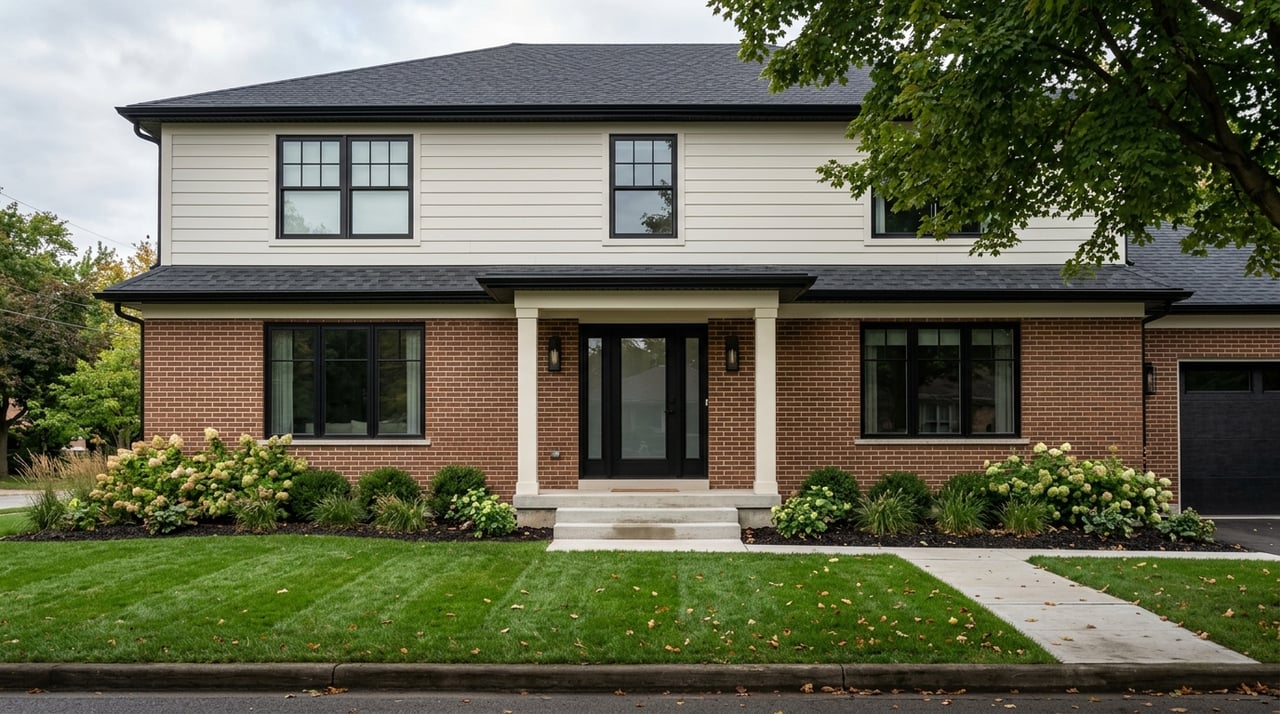
That size difference shows up in the feel of each place. Cherry Hill is more suburban and more owner-occupied, while Philadelphia is larger, denser, and more varied from block to block. If you want a simpler comparison, think of Cherry Hill as a township shaped around residential routines and Philadelphia as a major city with many living patterns under one umbrella.
One of the biggest differences is the kind of home you are most likely to find. Cherry Hill’s 2025 housing plan says about 67.3% of its housing stock is single-family dwellings, with 16.0% in buildings with 20 or more units and 8.7% in single-family attached homes.
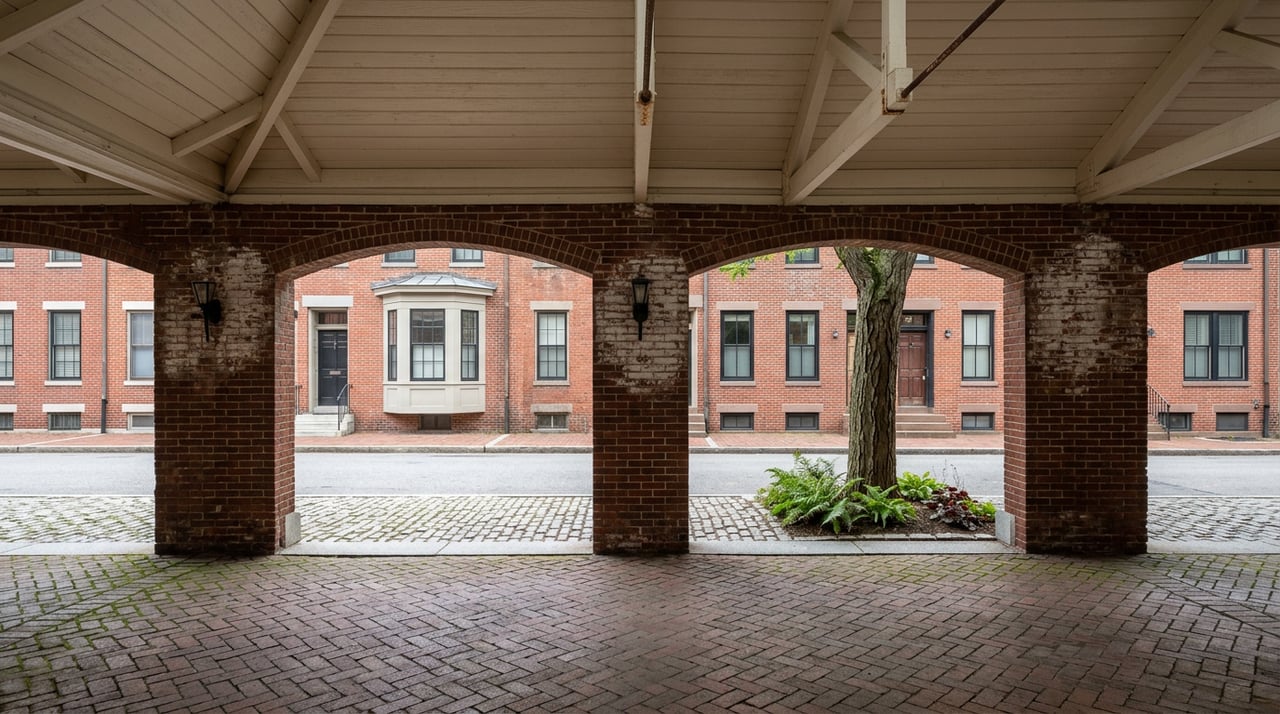
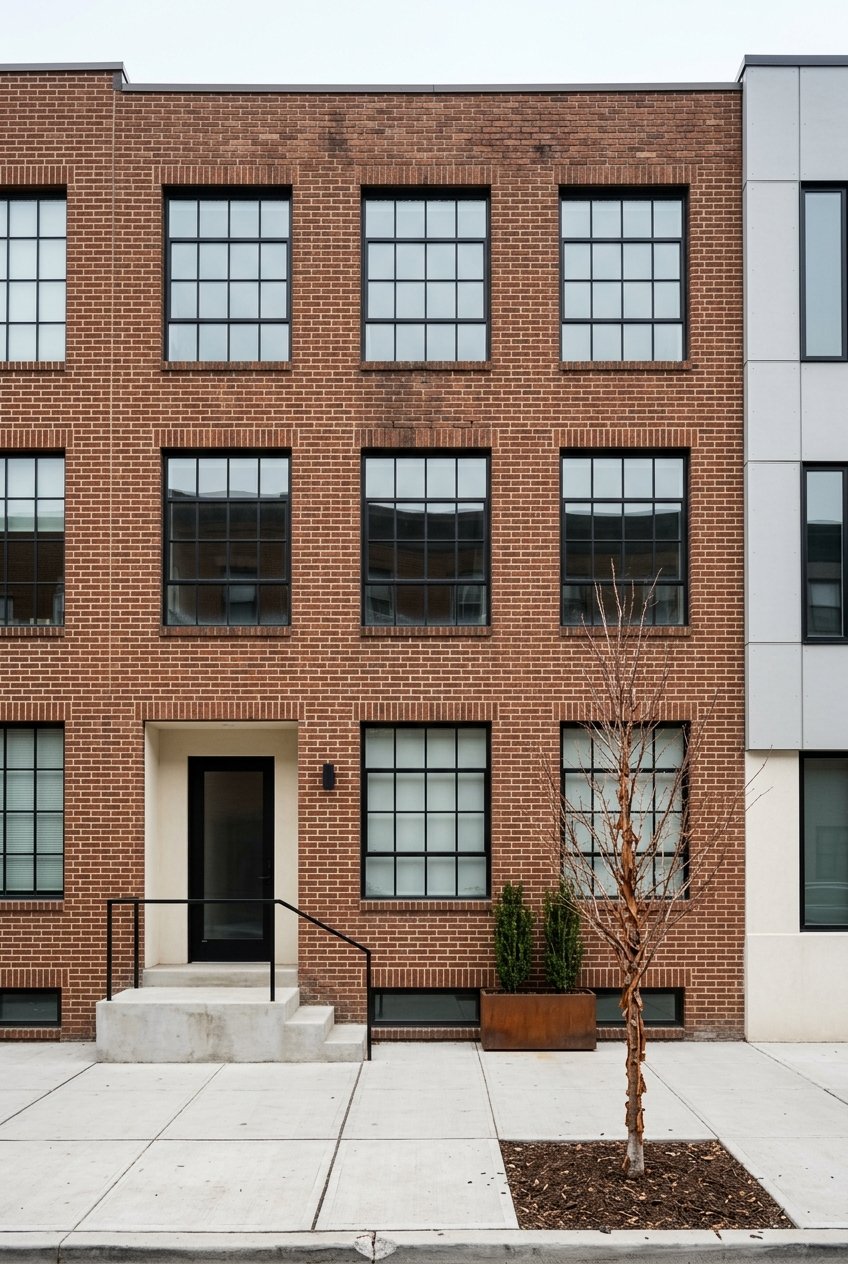
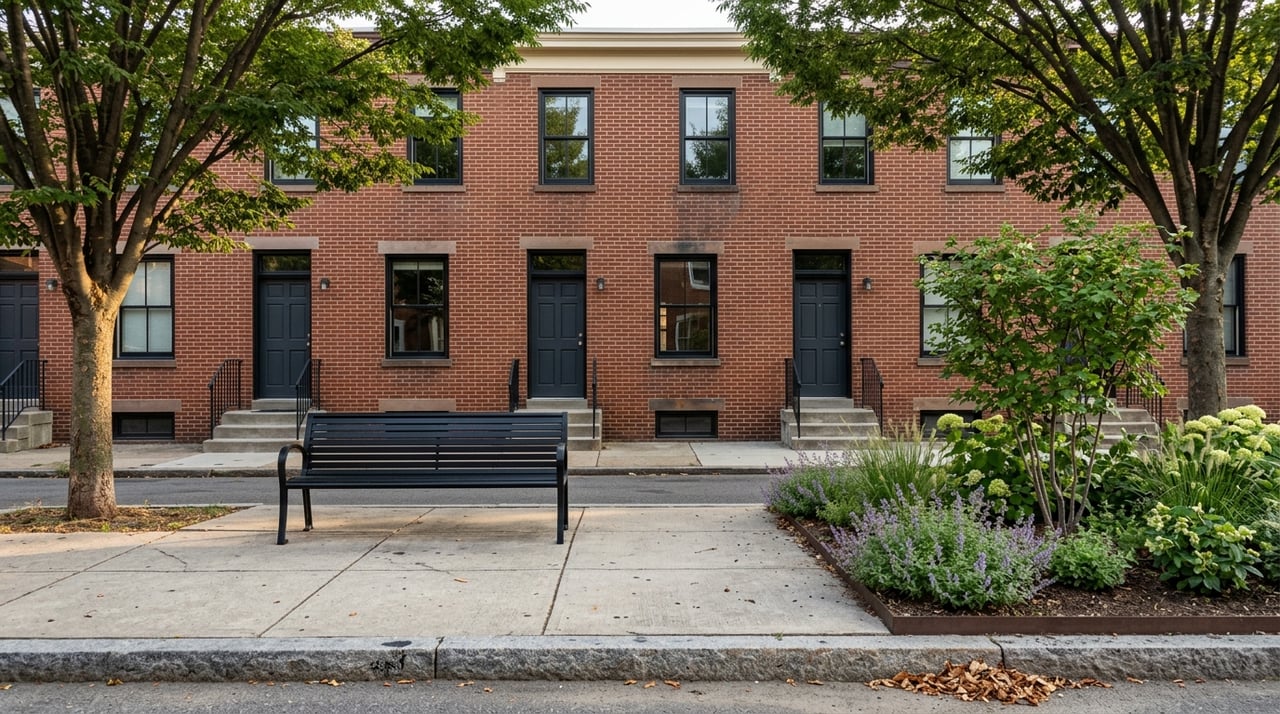
Philadelphia looks different. City property data shows rowhouse-style homes make up the largest building-style group, and about 76% of parcels are single-family. In practical terms, that means Philadelphia often offers a more compact, rowhouse-centered housing experience, while Cherry Hill leans more toward detached homes and a suburban layout.
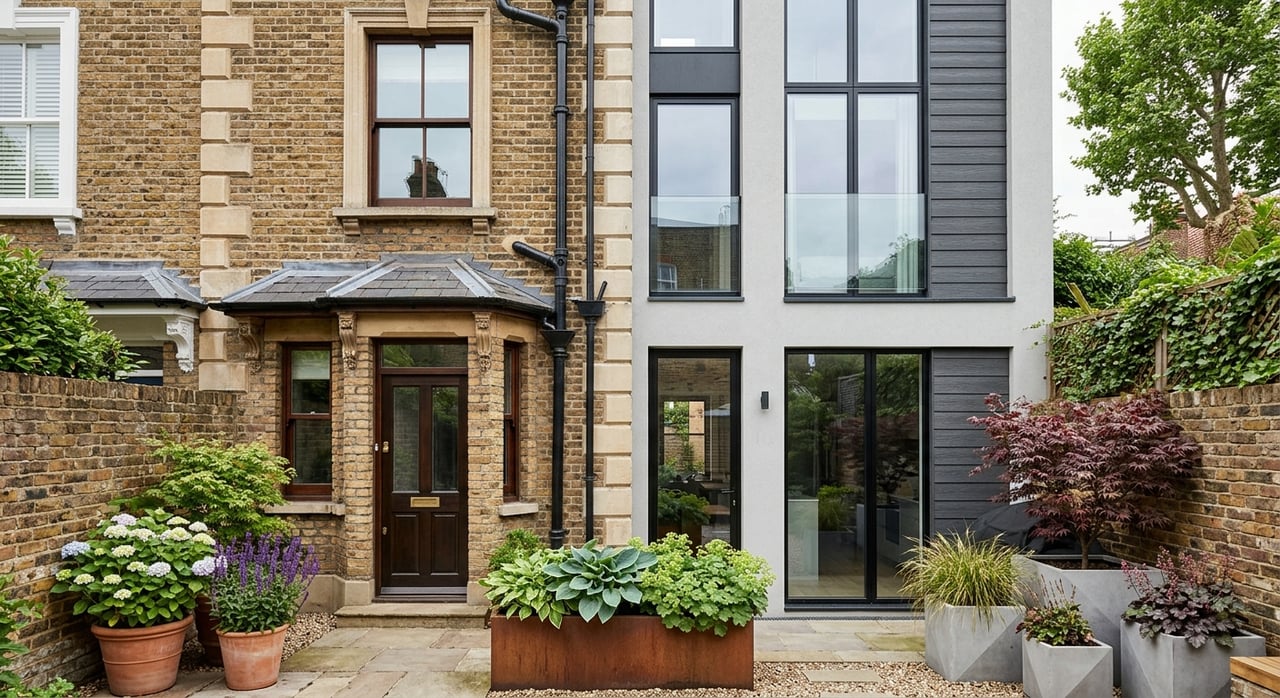
Cherry Hill’s housing pattern also reflects more post-World War II development, while Philadelphia’s built environment is much older overall. The 1920s alone account for about one-third of Philadelphia properties in the citywide assessment data. If charm, older housing stock, and urban fabric matter to you, that may point one way. If newer suburban patterns and more separation between homes matter more, that may point the other.
Price is only one part of affordability. Current Census data in the research report shows Cherry Hill has a median owner-occupied home value of $386,300, compared with $243,100 in Philadelphia.
But tax structure matters too. In Cherry Hill, the township’s 2025 tax-bill breakdown says the average homeowner is assessed at $227,000 and pays about $10,671.27 per year in total property taxes. In Philadelphia, the 2025 Real Estate Tax rate is 1.3998% of assessed value, and the city also imposes a wage tax of 3.74% for residents and 3.43% for non-residents.
This is where many buyers need to slow down and look at full household cash flow. If you live in Cherry Hill and work in Philadelphia, the city’s non-resident wage tax can still apply to wages earned in Philadelphia. So the better question is not “Which place is cheaper?” but “Which place fits my monthly and annual budget once taxes, commute, and housing type are all included?”
The average commute times are fairly close on paper. Cherry Hill’s mean travel time to work is 27.5 minutes, while Philadelphia’s is 31.7 minutes.
What matters more is how you want to commute. Cherry Hill commuters can use PATCO through Woodcrest station and nearby South Jersey stations, as well as NJ Transit’s Cherry Hill Station on the Atlantic City Rail Line. PATCO’s timetable includes direct Center City stops such as 8th & Market, 9/10th & Locust, 12/13th & Locust, and 15/16th & Locust.
Philadelphia sits inside SEPTA’s core service area, with access to regional rail, buses, trolleys, subways, and a high-speed line. That creates a much denser transit network. If you want a more car-light routine, Philadelphia may feel easier to navigate. If you are comfortable driving some days or combining driving with PATCO or NJ Transit, Cherry Hill may still work well.
If schools are part of your move, the process itself deserves attention. Cherry Hill Public Schools says the district includes 18 schools, more than 10,000 students, 2 high schools, 3 middle schools, 12 elementary schools, and 1 early childhood center.
For many households, the practical appeal is that Cherry Hill often offers a more conventional district structure. The district also notes that families can call a registration hotline to learn which schools serve which neighborhoods. That can make the search process feel more straightforward.
Philadelphia’s public school system is larger and more layered. The district reported 117,956 students in 2024-25 and a 78.0% four-year graduation rate. It also uses a more complex enrollment structure that includes catchment schools, criteria-based high schools, and separate charter or private enrollment processes.
That does not mean one system is automatically better for every household. It means the decision-making process is different. If you value a simpler neighborhood-based path, Cherry Hill may feel more predictable. If you want more school-choice flexibility and are comfortable navigating a more detailed process, Philadelphia may be a better fit.
The market data points to two distinct rhythms of life. Cherry Hill has a 76.5% owner-occupied housing rate and a median household income of $121,502, compared with Philadelphia’s 51.8% owner-occupied rate and $61,953 median household income.
Those numbers do not tell you what is best for you, but they do help explain the overall landscape. Cherry Hill tends to align with buyers who want more space, detached-home options, and suburban routines. Philadelphia tends to align with buyers who want urban convenience, denser housing patterns, and broader transit access.
Cherry Hill’s public amenities also support that suburban feel. The township operates Croft Farm and Barclay Farmstead, which are public recreational and cultural spaces connected to local history and trail use. Philadelphia, by contrast, offers the scale and variety that comes with a major city, though the experience can vary widely by neighborhood and housing type.
Cherry Hill may appeal to you if you want:
For many buyers, Cherry Hill is less about being close to Philadelphia and more about creating separation from city density while keeping access to it.
Philadelphia may appeal to you if you want:
Philadelphia can be especially attractive if you care more about access, flexibility, and urban energy than extra square footage.
When buyers compare Cherry Hill and Philadelphia, they often start with price. That makes sense, but it is rarely the full story. The better comparison is how taxes, transportation, housing style, and school systems come together in your everyday life.
Cherry Hill may be the better choice if you want suburban space, a more traditional district structure, and a housing stock that leans detached. Philadelphia may be the better choice if you want broader transit access, more urban housing types, and the flexibility that comes with living in a major city.
If you want help weighing these tradeoffs with a clear, data-informed approach, Evangeline Gambardella can help you compare your options and make a move that fits your goals.
Stay up to date on the latest real estate trends.
Every client deserves to feel valued, heard, and supported. From our first conversation to the final handshake, my goal is to ensure your experience is as smooth and special as the moment. Your happiness isn’t just a priority—it’s the standard.

EVANGELINE GAMBARDELLA
728 S Broad St 3rd Fl Philadelphia PA 19146