Fairmount Philadelphia First-Time Buyer Guide
May 14, 2026
May 14, 2026
Buying your first home in Fairmount can feel exciting and a little intimidating at the same time. You are looking at one of Philadelphia’s most central, amenity-rich neighborhoods, and that usually means you need a clear plan before you start touring homes. This guide will show you what first-time buyers should expect in Fairmount, from pricing and competition to upfront costs and buyer assistance programs. Let’s dive in.
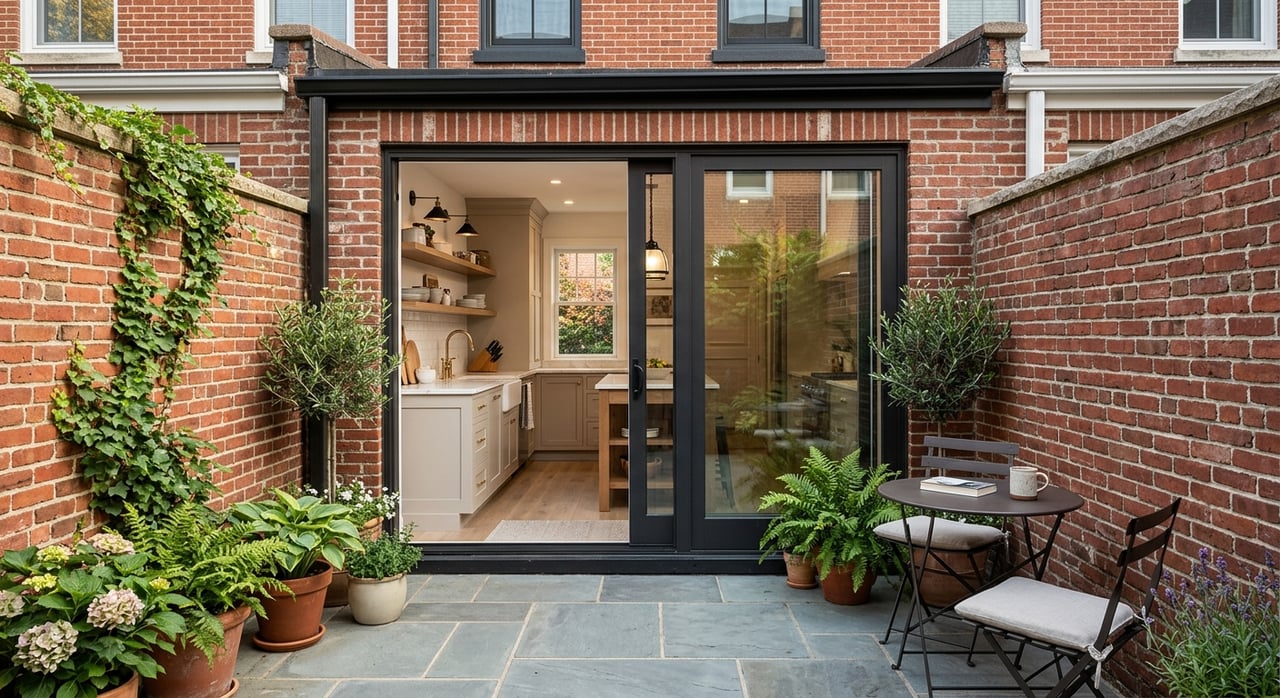
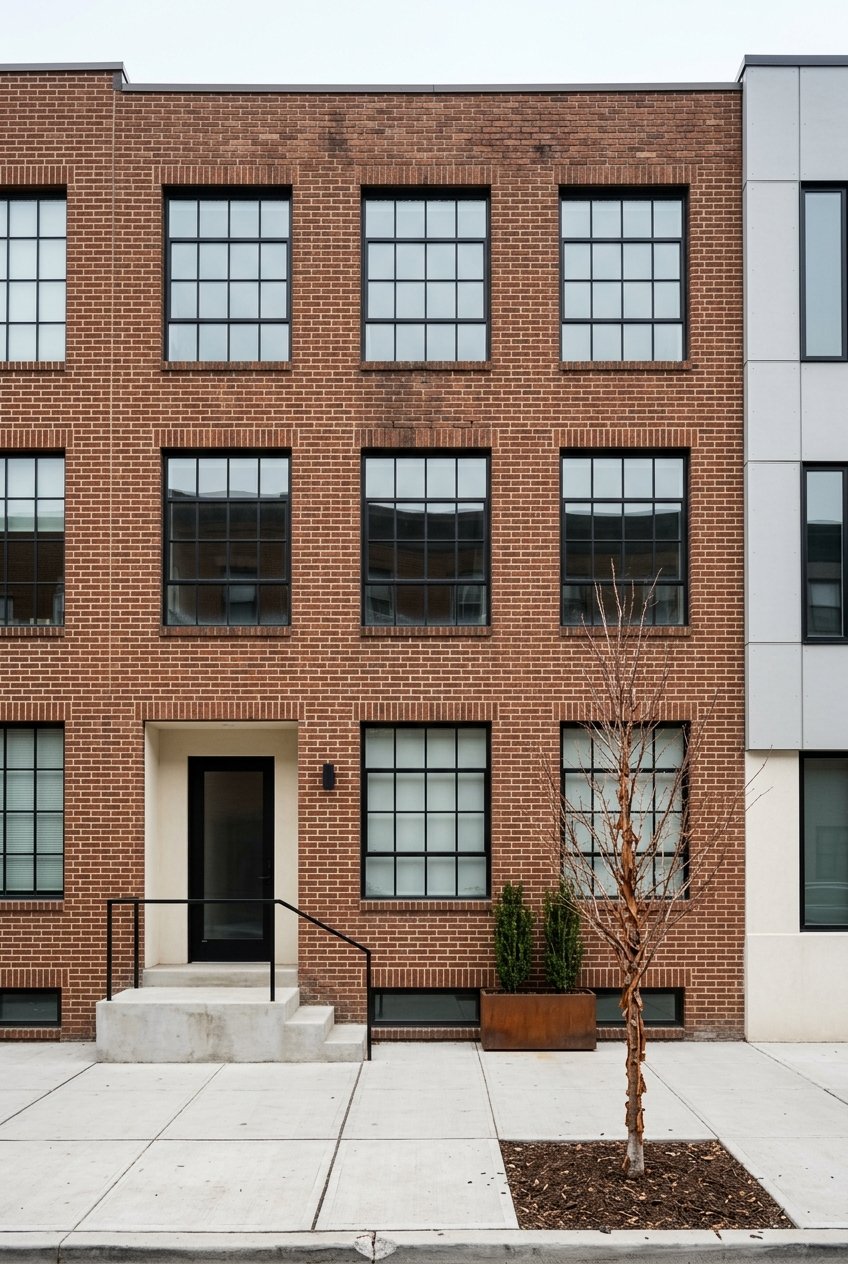
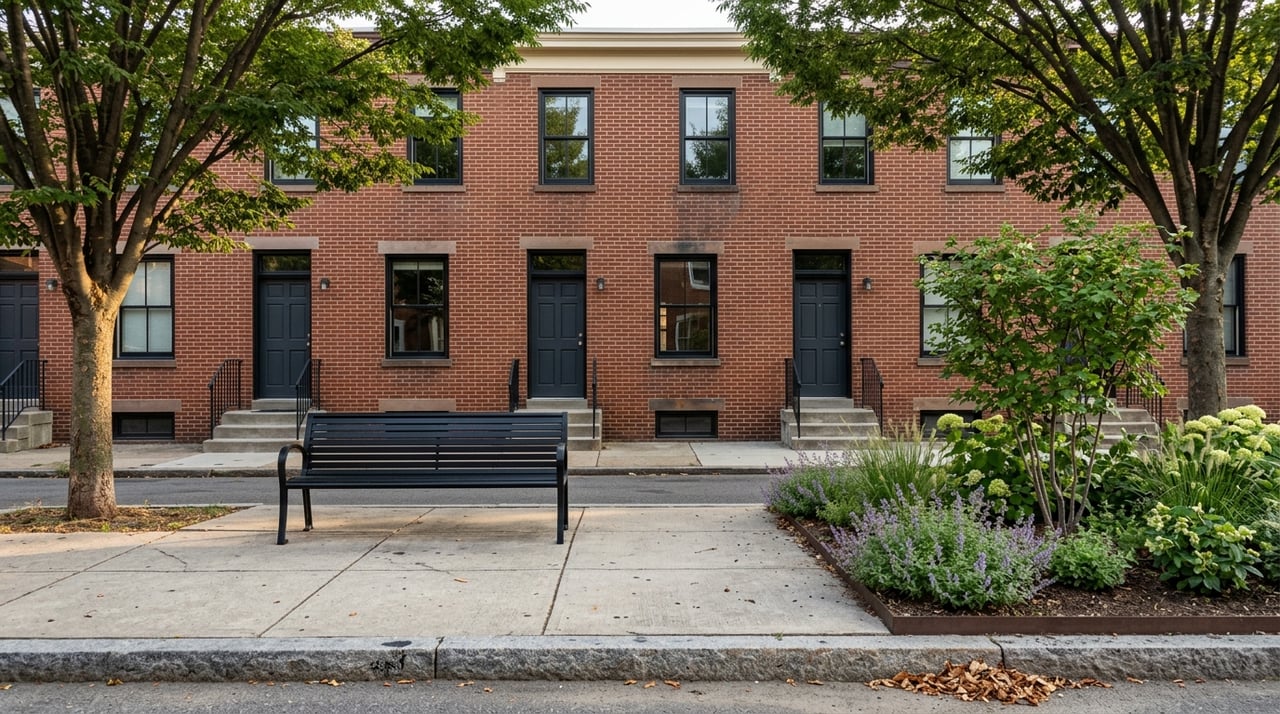
Fairmount offers a central location near the Benjamin Franklin Parkway, with the Philadelphia Museum of Art, the Barnes Foundation, and the Rodin Museum close by. According to PAFA’s neighborhood guide, the area includes a mix of rowhouses and some high-rise apartment buildings, which gives buyers a range of housing types to consider.
For many first-time buyers, the appeal is about more than the home itself. Fairmount is walkable, amenity-rich, and close to major cultural destinations, so part of the price premium comes from lifestyle and location, not just square footage.
That said, Fairmount is not typically viewed as a low-cost entry neighborhood. If you want to buy here, it helps to go in with realistic budget expectations and a strong understanding of how the local market compares with nearby areas.
Current pricing data places Fairmount in the mid-to-upper tier of Philadelphia neighborhoods. Zillow’s Home Value Index shows a typical home value of $442,263 as of March 31, 2026, which is up 3.0% year over year.
Realtor.com reports a March 2026 median listing price of $479,000, with 48 homes for sale, a median of 20 days on market, and a 97% sale-to-list ratio. Redfin shows a March 2026 median sale price of $482,000 and describes the market as somewhat competitive.
If you are trying to make sense of those numbers, the simplest takeaway is this: Fairmount is active, but it does not appear overheated. Buyers should be prepared to move with purpose, but this does not read like a market where every listing automatically turns into a bidding war.
For first-time buyers, comparison shopping matters. Fairmount sits in a similar Parkway-area value band as Spring Garden and Logan Square, while Brewerytown offers a much lower entry price.
Here is a quick look at nearby value signals from the research provided:
| Neighborhood | Typical Home Value or Median Listing Price |
|---|---|
| Fairmount | $442,263 typical value; $479,000 median listing price |
| Spring Garden | $476,465 typical value; $434,450 median listing price |
| Logan Square | $434,241 typical value; $399,000 median listing price |
| Brewerytown | $209,427 typical value; $280,000 median listing price |
That gap is especially important if you are stretching to buy your first home. In practical terms, you may need to decide whether you want the Fairmount address itself, a nearby Parkway-area alternative, or a different housing type that helps you stay within budget.
Fairmount appears to be moderately competitive based on the research report. Realtor.com’s 20 days on market suggests that well-priced homes can move quickly, while Redfin’s 76 days to sell points to a market that may vary by property type, pricing, and condition.
For you as a buyer, that means preparation matters. You should expect that attractive homes may not sit for long, but you may still have room to make thoughtful decisions rather than rushing into every listing.
This is one reason first-time buyers benefit from getting clear on priorities early. If you know your price ceiling, preferred home type, and must-have features, you can act with more confidence when the right property appears.
PAFA describes Fairmount as a neighborhood of rowhouses mixed with some high-rise apartment buildings. That matters because the kind of home you choose can shape your monthly costs, maintenance expectations, and even which assistance programs you can use.
If you are considering a rowhouse, you may be looking at more interior space or a more traditional neighborhood layout. If you are considering a condo or apartment-style property, your entry point, maintenance needs, and ownership structure may look different.
For first-time buyers, this is not just a style choice. In Fairmount, your housing type can also affect program eligibility, especially when it comes to city assistance.
One of the biggest surprises for first-time buyers is how much cash is needed before move-in day. The Consumer Financial Protection Bureau says closing costs typically run 2% to 5% of the purchase price, depending on factors like the home price, down payment, lender costs, loan type, home type, and location.
In Philadelphia, there is also a 4.578% total realty transfer tax, made up of 3.578% city tax and 1% Commonwealth tax, due when the deed is recorded. That is a major line item, and it is especially important to account for in a neighborhood where prices are often well above the city’s lower-cost entry points.
Using the research report’s example of a $479,000 Fairmount purchase, a 3% down payment plus estimated closing costs and transfer tax comes to roughly $45,879 to $60,249 before inspections, moving costs, and reserve funds. That is why buyers in Fairmount need to think beyond the down payment alone.
Philadelphia’s real estate tax rate is 1.3998% of assessed value for the 2025 tax year, and taxes are due by March 31. This is a separate cost from your mortgage payment unless your lender collects taxes through escrow.
If you will occupy the home, you may qualify for Philadelphia’s Homestead Exemption. That program reduces the taxable assessment by $80,000, which works out to about $1,120 per year in savings at the current tax rate, before any reassessment effects.
For first-time buyers, that is worth reviewing early in the process. Ongoing carrying costs matter just as much as your upfront cash needed at settlement.
Philadelphia first-time buyers have a few important programs to review, and these can meaningfully reduce the amount of cash you need at closing.
Philadelphia’s Philly First Home program offers up to $10,000 or 6% of the purchase price, whichever is less, for down payment and or closing costs. Buyers must complete a City-funded homeownership counseling program before signing the agreement of sale.
This program is limited to single-family homes and duplexes. Condos are not eligible, which is an important detail in Fairmount because the neighborhood includes condo and apartment-style housing along with rowhouses.
Using the same $479,000 purchase example, an eligible buyer who receives a $10,000 Philly First Home grant could reduce the rough upfront cash need to about $35,879 to $50,249 before inspections, moving costs, and reserves.
PHFA also offers purchase-assistance programs that may help with upfront costs. The Keystone Advantage Assistance Loan can provide up to 4% of the purchase price or $6,000, whichever is less, as a 0% interest second mortgage amortized over 10 years.
PHFA’s K-FIT program can provide 5% of the lesser of the purchase price or appraised value, with no maximum dollar limit, and it is forgiven over 10 years. PHFA also encourages buyers to work with an approved homebuyer education provider or participating lender.
The main lesson here is simple: if you are buying in Fairmount, verify eligibility early. Program rules can depend on the property type, and that can affect whether a condo or rowhouse makes more sense for your budget.
If you are buying your first home in Fairmount, start with budget clarity rather than listings. It is easy to fall in love with the neighborhood first, but your best move is to understand your true all-in cost, including down payment, closing costs, transfer tax, and monthly carrying costs.
From there, compare Fairmount with nearby alternatives like Logan Square, Spring Garden, and Brewerytown. Even if you ultimately buy in Fairmount, those comparisons can help you judge value, trade-offs, and what type of home best fits your goals.
It also helps to decide early whether you are open to multiple housing types. A rowhouse, duplex, or condo can create very different budget and program scenarios, especially if you hope to use local buyer assistance.
Fairmount can be a great fit if you want a central Philadelphia neighborhood with strong lifestyle appeal and a mix of housing options. The market data suggests you should expect an active but not frantic environment, with prices that sit above lower-cost alternatives like Brewerytown and closer to the broader Parkway-neighborhood range of Logan Square and Spring Garden.
For first-time buyers, success here usually comes down to preparation. When you understand pricing, competition, transfer tax, closing costs, and assistance options ahead of time, you can shop more strategically and avoid surprises.
If you want clear, data-driven guidance as you compare Fairmount with nearby neighborhoods and map out your first purchase, Evangeline Gambardella can help you build a smart plan from day one.
Stay up to date on the latest real estate trends.
Every client deserves to feel valued, heard, and supported. From our first conversation to the final handshake, my goal is to ensure your experience is as smooth and special as the moment. Your happiness isn’t just a priority—it’s the standard.

EVANGELINE GAMBARDELLA
728 S Broad St 3rd Fl Philadelphia PA 19146